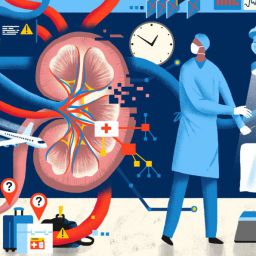
Kidney transplantation is one of the most successful treatments for individuals suffering from end-stage kidney failure. It provides patients with a chance to improve their quality of life and extend their life expectancy. However, kidney transplant recipients face an increased risk of developing various health issues, including cancer. Cancer risk post-transplant is a significant concern due to the immunosuppressive medications that are necessary to prevent organ rejection. While these drugs effectively prevent the immune system from attacking the new kidney, they also suppress the body’s ability to fight off abnormal cell growth, leading to an elevated risk of malignancies. In this article, we will explore the various factors contributing to the increased cancer risk following a kidney transplant and the essential precautions that patients and healthcare providers can take to reduce these risks.
Understanding the Causes of Increased Cancer Risk Post-Kidney Transplant
- Immunosuppressive Therapy:
- After kidney transplantation, patients are required to take immunosuppressive drugs to prevent the immune system from rejecting the transplanted organ. These drugs, such as corticosteroids, calcineurin inhibitors (e.g., tacrolimus, cyclosporine), and antimetabolites (e.g., azathioprine, mycophenolate mofetil), reduce immune system activity and can inadvertently increase the risk of cancer. The suppression of immune surveillance allows abnormal cells to proliferate unchecked, increasing the likelihood of malignancies such as skin cancer, lymphoma, and cancers of the internal organs.
- The Role of T-Cell Immunity in Cancer Prevention: One of the critical functions of the immune system is to recognize and destroy abnormal cells, including cancer cells. However, immunosuppressive medications impair T-cell function, which weakens the body’s ability to fight off cancerous cells. Therefore, kidney transplant patients have to balance the need for immunosuppression to prevent organ rejection with the risk of an over-suppressed immune response that could allow malignancies to develop.
- Chronic Inflammation and Viral Infections:
- Chronic inflammation is common in transplant patients, either due to the underlying kidney disease, the transplant itself, or complications related to the surgery. This long-term inflammation can create an environment conducive to the development of cancer.
- In addition, several viruses, such as the human papillomavirus (HPV), Epstein-Barr virus (EBV), and hepatitis C virus (HCV), have been linked to increased cancer risks in transplant recipients. These viruses can stay dormant in the body and, due to immunosuppressive therapy, may become active, leading to cancer development in organs like the liver, lymph nodes, or even the skin.
- Age and Gender:
- Age is a critical factor in cancer risk, and this is no different for kidney transplant recipients. Older patients tend to have a higher risk of developing certain types of cancer. Gender can also play a role, as studies have shown that male kidney transplant recipients may be at a higher risk of certain cancers, such as skin cancer, due to both the effects of immunosuppression and possible lifestyle factors like increased sun exposure.
- Pre-existing Conditions and Lifestyle Factors:
- Pre-transplant risk factors such as a history of smoking, alcohol consumption, or other comorbid conditions like diabetes or hypertension can increase the likelihood of cancer following a transplant. Lifestyle choices, including diet and physical activity, also influence cancer risk. Kidney transplant patients are encouraged to make healthier choices to reduce this risk.
Precautions to Take Against Cancer Risk After Kidney Transplantation
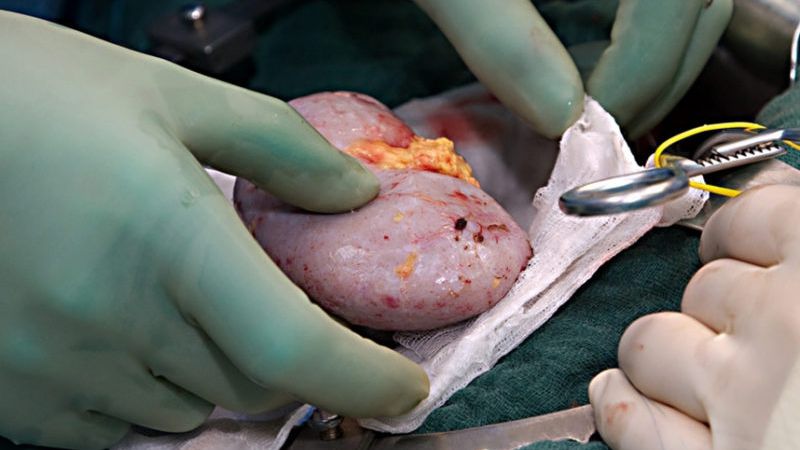
1. Regular Monitoring and Screening:
- Regular and vigilant monitoring is crucial for early detection of cancers in kidney transplant recipients. Healthcare providers should be proactive in scheduling routine screenings to detect cancers at the earliest possible stage. Some important screenings include:
- Skin Cancer Screening: Given the increased risk of skin cancers in transplant recipients, regular dermatological checkups are essential. Skin exams should be performed frequently, especially for those on long-term immunosuppression therapy. Sun protection measures, such as the use of broad-spectrum sunscreen and protective clothing, are recommended.
- Lymphoma and Other Organ Cancers: Kidney transplant patients should also be monitored for lymphomas, which are more common post-transplant due to viral reactivation. Imaging and blood tests are used to monitor internal organ health and detect any abnormal growths early.
- Cervical Cancer: Women who have undergone a kidney transplant should also follow guidelines for routine Pap smears and HPV testing to screen for cervical cancer, which has a higher incidence among transplant patients.
2. Optimizing Immunosuppressive Therapy:
- The use of immunosuppressive medications is necessary, but minimizing their doses as much as possible can help reduce the cancer risk. Kidney transplant recipients should work closely with their healthcare team to adjust their immunosuppressive regimen to strike the right balance between preventing organ rejection and minimizing the risk of cancer.
- Newer immunosuppressive drugs, such as mTOR inhibitors (e.g., everolimus, sirolimus), may have less of a cancer-promoting effect compared to traditional calcineurin inhibitors and corticosteroids. These newer drugs may be considered as alternatives in certain cases.
3. Preventing and Treating Viral Infections:
- Vaccination: Vaccination is a critical aspect of cancer prevention for kidney transplant patients. The prevention of viral infections, such as hepatitis B, HPV, and EBV, can significantly reduce the cancer risk associated with these viruses.
- Antiviral Therapy: For patients at high risk of viral reactivation, antiviral treatments may be prescribed to prevent the development of associated cancers, such as lymphoma or liver cancer.
4. Lifestyle Modifications:

- Diet and Nutrition: Maintaining a healthy diet rich in antioxidants and low in processed foods can help lower cancer risk. Patients should focus on eating a variety of fruits, vegetables, whole grains, and lean proteins while limiting red meat, alcohol, and sugar intake.
- Physical Activity: Regular physical activity has been shown to reduce the risk of cancer and improve overall health. Kidney transplant recipients should aim for at least 150 minutes of moderate-intensity aerobic activity per week, combined with strength training exercises.
- Smoking Cessation and Alcohol Moderation: Smoking and excessive alcohol consumption significantly increase cancer risk. Kidney transplant patients should be strongly encouraged to quit smoking and limit alcohol intake to reduce the likelihood of cancer.
5. Psychological and Emotional Support:
- Mental health plays an important role in overall well-being. Kidney transplant patients should receive psychological and emotional support to help cope with the challenges of post-transplant life, including the stress associated with cancer risk.
6. Support from Healthcare Providers:
- Interdisciplinary Care: Kidney transplant recipients benefit from an interdisciplinary approach to their care. Regular consultations with nephrologists, oncologists, and other specialists ensure that cancer risks are properly managed. A coordinated care approach can lead to better outcomes and improve the patient’s quality of life.
- Patient Education: Patients should be well-informed about the risks of cancer and the necessary steps they must take to reduce it. Education on proper sun protection, the importance of screenings, and a healthy lifestyle can empower patients to take control of their health and minimize cancer risk.
Cancer risk after kidney transplantation is a significant concern, but it is not inevitable. Through a combination of regular screenings, optimization of immunosuppressive therapy, lifestyle changes, and vigilant monitoring, kidney transplant patients can minimize their risk of cancer and enjoy long-term health. Early detection remains key to improving the prognosis, and as medical advancements continue to evolve, transplant recipients can benefit from better preventive measures and treatments. By following these precautions, kidney transplant recipients can lead fulfilling lives while managing and reducing their cancer risk.