1. Kidney Disease and Kidney Transplantation
1.1. Chronic Kidney Disease (CKD) and Acute Kidney Failure
Chronic Kidney Disease (CKD) is a progressive condition that results in the gradual loss of kidney function over time. It is caused by various factors, including high blood pressure, diabetes, and genetic disorders such as polycystic kidney disease. CKD can eventually progress to end-stage renal disease (ESRD), where the kidneys can no longer perform their vital functions, such as filtering waste and excess fluids from the blood.
Acute kidney failure, on the other hand, is a sudden loss of kidney function, often triggered by factors such as infections, dehydration, or medications. In both cases, kidney transplantation may be necessary to save the patient’s life.
1.2. When is a Kidney Transplant Needed?
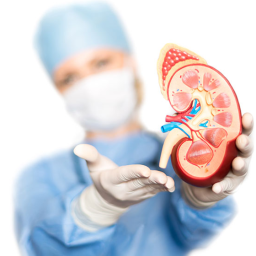
A kidney transplant is usually recommended when a patient reaches the end stage of kidney disease (ESRD). Symptoms such as frequent urination, swelling, fatigue, and loss of appetite may indicate kidney failure. In such cases, dialysis may be required temporarily until a suitable kidney donor is found.
Kidney transplantation is considered the most effective long-term treatment for ESRD, as it allows the patient to return to a normal lifestyle without the need for dialysis.
2. Heart Disease and Heart Transplantation
2.1. Types of Heart Disease Leading to Heart Failure

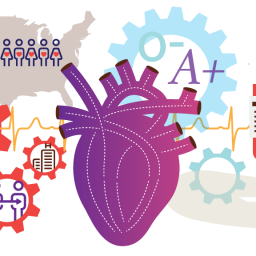
Heart disease is one of the leading causes of death worldwide, encompassing a wide range of conditions that affect the heart’s ability to function properly. Conditions such as coronary artery disease, heart attacks, and cardiomyopathy can lead to heart failure, where the heart is unable to pump blood effectively. Over time, this condition can cause severe complications and may necessitate a heart transplant.
2.2. When is a Heart Transplant Required?
Heart transplantation is typically reserved for patients with end-stage heart failure who do not respond to other treatments. In patients with severe coronary artery disease or dilated cardiomyopathy, when the heart becomes too weak to function, a transplant may be the only option to prolong life. Patients with other conditions, such as congenital heart defects or advanced valve disease, may also require a transplant.
Heart failure is often diagnosed through symptoms such as shortness of breath, fatigue, fluid retention, and arrhythmias. Once these symptoms become severe and other interventions are no longer effective, a heart transplant may be considered.
3. Liver Disease and Liver Transplantation
3.1. Causes of Liver Failure
The liver is a vital organ responsible for detoxifying the body, producing proteins, and storing energy. Chronic liver diseases, such as cirrhosis, hepatitis, and liver cancer, can lead to liver failure. Cirrhosis, which is the scarring of liver tissue due to long-term damage, is one of the most common causes of liver failure.
In some cases, acute liver failure can occur due to factors like viral infections, alcohol poisoning, or drug toxicity. When the liver ceases to function properly, liver transplantation is often required.
3.2. When is a Liver Transplant Needed?
A liver transplant is usually needed when the liver fails to perform its basic functions, leading to symptoms such as jaundice, swelling, confusion, and bleeding disorders. Cirrhosis is the most common cause of liver failure that necessitates a transplant, but other conditions such as liver cancer and acute liver failure can also require transplantation.
The decision to perform a liver transplant is based on several factors, including the severity of liver damage, the patient’s overall health, and the likelihood of survival with or without the transplant.
4. Lung Disease and Lung Transplantation

4.1. Diseases Leading to Lung Failure
Lung diseases such as chronic obstructive pulmonary disease (COPD), pulmonary fibrosis, and cystic fibrosis can lead to lung failure. In these conditions, the lungs lose their ability to transfer oxygen into the blood, which results in difficulty breathing and other severe complications. Pulmonary hypertension and advanced emphysema can also contribute to lung failure.
4.2. When is a Lung Transplant Required?
Lung transplants are typically recommended for patients with end-stage lung disease who are not responding to conventional treatments, such as medication and oxygen therapy. In patients with diseases like COPD, cystic fibrosis, or pulmonary fibrosis, when lung function deteriorates to the point where the patient can no longer maintain proper oxygen levels, a lung transplant may be required.
The need for a lung transplant is evaluated based on symptoms such as severe shortness of breath, frequent infections, and a decline in overall health. A lung transplant may involve a single-lung or double-lung transplant, depending on the extent of the disease.
5. Pancreatic Disease and Pancreas Transplantation
5.1. Diabetes and Pancreatic Failure
The pancreas is a critical organ that produces insulin, a hormone that regulates blood sugar levels. When the pancreas becomes damaged due to diseases such as type 1 diabetes or pancreatitis, it may fail to produce insulin properly, leading to severe complications.
In type 1 diabetes, the body’s immune system attacks and destroys the insulin-producing cells in the pancreas, resulting in a lifelong need for insulin injections. However, in some cases, a pancreas transplant may be considered for individuals who have difficulty managing their diabetes.
5.2. When is a Pancreas Transplant Needed?
A pancreas transplant is typically recommended for individuals with type 1 diabetes who have severe complications or who are unable to control their blood sugar levels with insulin therapy. The transplant can help restore normal insulin production and eliminate the need for insulin injections.
Pancreas transplants may also be considered for individuals with severe complications from diabetes, such as kidney failure, and may be performed in combination with a kidney transplant.
6. Intestinal Disease and Intestinal Transplantation

6.1. Causes of Intestinal Failure
Intestinal failure is a condition in which the intestines are unable to absorb enough nutrients from food, often due to diseases such as Crohn’s disease, short bowel syndrome, or severe trauma. When the intestines are damaged to the point where nutritional needs cannot be met, a small intestine transplant may be required.
6.2. When is an Intestinal Transplant Required?
Intestinal transplantation is typically considered when all other treatments, including parenteral nutrition (IV nutrition), fail to provide adequate nutrition to the patient. In cases of short bowel syndrome, where a significant portion of the small intestine is removed, or in patients with severe Crohn’s disease, a transplant may be the only option to restore normal digestion and nutrient absorption.
Patients who suffer from chronic malnutrition, dehydration, or infections due to intestinal failure may require a transplant to improve their quality of life.
7. Corneal Transplantation and Eye Diseases
7.1. Diseases Leading to Corneal Blindness
The cornea is the clear, outermost layer of the eye, and when it becomes damaged due to conditions such as keratoconus, corneal scarring, or infections, vision loss can occur. In some cases, a corneal transplant may be necessary to restore vision.
7.2. When is a Corneal Transplant Needed?
Corneal transplants are often required for patients with vision loss due to damaged or diseased corneas. Conditions such as corneal dystrophies, severe trauma, or infections can result in corneal opacity, which impairs vision. A corneal transplant involves replacing the damaged cornea with a healthy donor cornea, improving vision and quality of life.
Organ transplantation is a critical treatment option for individuals suffering from life-threatening diseases that cause organ failure. Understanding the conditions that lead to organ failure and the corresponding organs that require transplantation is vital for both patients and healthcare providers. Kidney, heart, liver, lung, pancreas, intestinal, and corneal transplants are among the most common procedures performed to save lives and restore health.
While the need for organ transplants continues to rise globally, it is important to continue raising awareness about organ donation and its life-saving potential. With advancements in medical technology and an increased focus on donor registration, the future of organ transplantation holds promise for even more lives to be saved.