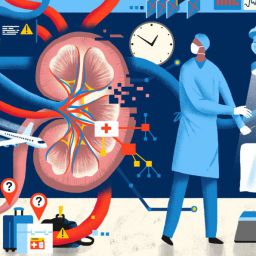
1. Medical Challenges in Pediatric Organ Transplantation
1.1 Organ Availability and Donor Matching
One of the primary challenges in pediatric organ transplantation is the shortage of available organs. Unlike adult patients, pediatric patients have smaller body sizes and thus require appropriately sized organs. Finding a suitable match in terms of both organ size and tissue compatibility can be more difficult for children, leading to long waiting times for transplants. Moreover, pediatric organ donors are relatively scarce compared to adult donors, which exacerbates the issue.
1.2 Immune System Management
Children’s immune systems are still developing, which makes managing immune responses during transplantation more complex. Pediatric patients are often at a higher risk of both acute and chronic rejection, as their immune systems can be more sensitive to the transplanted organ. Immunosuppressive therapies are necessary to prevent organ rejection but pose a risk of infections and malignancies due to the suppression of the immune system. Balancing immunosuppression is a delicate task that requires careful monitoring.
1.3 Organ Rejection and Graft Survival
Despite advances in immunosuppressive therapies, organ rejection remains a significant issue in pediatric organ transplantation. Acute rejection episodes can occur in the early postoperative period, while chronic rejection may develop over time, leading to graft loss. Pediatric patients who survive the initial post-transplant period may still face long-term complications such as renal dysfunction, growth abnormalities, and developmental delays, which can result from ongoing graft rejection.
1.4 Postoperative Complications and Acute Care
The postoperative care of pediatric transplant recipients involves managing complications such as infections, bleeding, and graft dysfunction. Pediatric patients are more vulnerable to infections due to their immature immune systems and the immunosuppressive drugs they must take. In addition, children’s small body sizes can make surgical procedures more challenging, increasing the risk of complications.
2. Psychosocial Challenges in Pediatric Organ Transplantation

2.1 Psychological and Emotional Impact on Children
The psychological toll of undergoing a major surgery such as an organ transplant can be immense for pediatric patients. Children may experience anxiety, depression, and post-traumatic stress disorder (PTSD) due to their illness, hospitalization, and the transplant process. Young patients may also struggle with the fear of rejection, organ failure, or the need for re-transplantation.
2.2 Family Dynamics and Support
The stress and emotional burden of pediatric organ transplantation extend beyond the patient to their family. Parents and caregivers must navigate the complexities of the transplant process, including long hospital stays, managing medications, and coping with the emotional strain of seeing their child undergo such a significant medical procedure. Family support systems play a crucial role in the overall recovery process and long-term outcomes for pediatric patients.
2.3 Long-Term Psychosocial Development
Children who undergo organ transplantation may face challenges related to their psychosocial development. They may experience delays in school, social interactions, and peer relationships due to prolonged medical care, hospitalizations, or physical limitations. The stigma associated with organ transplantation may also affect the child’s self-esteem and social interactions as they grow older.
3. Ethical and Legal Issues in Pediatric Organ Transplantation

3.1 Consent and Decision-Making
One of the most significant ethical challenges in pediatric organ transplantation is obtaining informed consent. In most cases, parents or guardians provide consent on behalf of their child, but as the child grows older, their autonomy and decision-making ability must be taken into account. Pediatric patients may have limited understanding of the medical procedures, risks, and long-term consequences, which makes it difficult to ensure truly informed consent.
3.2 Allocation and Fairness
The allocation of organs to pediatric patients presents ethical dilemmas concerning fairness and priority. Due to the limited number of available organs, difficult decisions must be made about which children should receive a transplant. The prioritization of children over adults may raise questions regarding fairness, as well as the allocation of scarce resources. Additionally, there are ethical concerns about the organ procurement process, particularly when dealing with pediatric donors.
3.3 End-of-Life and Palliative Care
In some cases, pediatric organ transplant candidates may not survive the procedure or may experience irreversible organ rejection. The decision to withdraw life-sustaining treatments and move to palliative care can be emotionally and ethically complex. Healthcare providers, families, and the patients themselves must grapple with difficult decisions about when to transition to end-of-life care, particularly in cases where further transplantation or intervention is not an option.
4. Long-Term Follow-Up and Survivorship Care

4.1 Ongoing Medical Care and Monitoring
Pediatric transplant recipients require lifelong follow-up care to monitor the function of the transplanted organ and the effectiveness of immunosuppressive therapy. Regular blood tests, imaging studies, and biopsies are necessary to detect signs of organ rejection or complications early. Additionally, pediatric patients may experience growth and development issues, which require specialized care to address.
4.2 Education and Lifestyle Adjustments
Children who undergo organ transplantation must learn how to manage their condition and medications as they grow older. Education regarding proper medication adherence, lifestyle modifications, and the importance of regular follow-up visits is crucial for ensuring long-term success. These patients must also be monitored for potential side effects of immunosuppressive therapy, such as osteoporosis or cardiovascular issues.
5. Advances and Future Directions in Pediatric Organ Transplantation
5.1 Innovations in Organ Preservation and Transplantation Techniques
Recent advancements in organ preservation and transplantation techniques have improved the outcomes of pediatric organ transplants. Innovations such as machine perfusion, which keeps organs viable for longer periods outside the body, have the potential to increase the availability of organs for pediatric patients. Research into organ regeneration and the use of stem cells for growing new organs also holds promise for the future.
5.2 The Role of Precision Medicine
Precision medicine, which tailors treatment based on individual genetic and environmental factors, has the potential to revolutionize pediatric organ transplantation. By using genetic testing to identify optimal immunosuppressive therapies and predict the likelihood of organ rejection, healthcare providers can offer more personalized care, improving outcomes for pediatric transplant recipients.
5.3 Ethical Considerations in the Future of Pediatric Transplantation
As the field of pediatric organ transplantation evolves, ethical considerations will continue to play a critical role. Issues such as organ donation from living donors, genetic engineering, and the use of xenotransplantation (transplanting organs from animals to humans) will require careful consideration and regulation to ensure that children’s health and well-being are prioritized.
Pediatric organ transplantation is a complex and challenging field that requires a multifaceted approach to address the unique medical, psychosocial, and ethical concerns associated with caring for children who undergo organ transplantation. While significant progress has been made in improving outcomes and enhancing survival rates, there is still much work to be done to address the challenges these patients face. By continuing to innovate and refine transplantation techniques, healthcare providers can offer hope for a brighter future for pediatric patients in need of organ transplants.