The Global Organ Donation Crisis
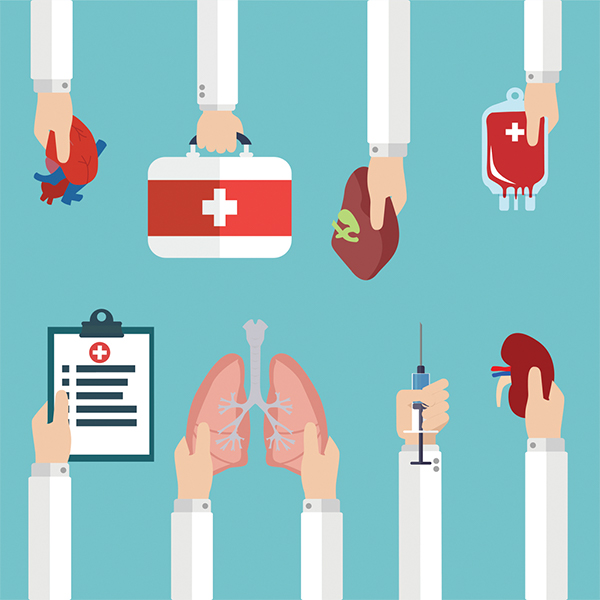
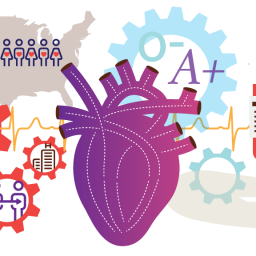
Before delving into the methods of raising awareness, it is important to understand the magnitude of the organ donation crisis. According to the World Health Organization (WHO), over 130,000 organ transplants are performed globally each year. However, more than 10 times that number of people remain on waiting lists, many of whom will not receive the life-saving transplants they need.
The gap between organ supply and demand is particularly pronounced in developing countries, where infrastructure for organ donation is often underdeveloped, and cultural or religious beliefs may inhibit donation. In contrast, even in countries with advanced healthcare systems, the shortage of organs persists, highlighting the need for a global initiative to address the issue.
The Importance of Raising Awareness
Raising awareness about organ donation can significantly impact the number of registered donors. By educating the public and debunking myths about organ donation, society can break down barriers that prevent people from donating. Public awareness campaigns can also help individuals make informed decisions about becoming organ donors and encourage families to discuss their wishes regarding organ donation.
Method 1: Educational Campaigns and Media Outreach
One of the most effective ways to raise awareness about organ donation is through educational campaigns. These campaigns can be run on television, radio, social media, and even in schools to reach a wide audience. The key to an effective educational campaign is providing clear, accurate, and persuasive information about organ donation, addressing common misconceptions, and highlighting the life-saving potential of donation.
1.1. Television and Radio Campaigns
Television and radio campaigns are powerful tools for reaching mass audiences. Through short, impactful advertisements and documentaries, people can learn about the importance of organ donation. These campaigns often feature real-life stories of individuals who have benefited from organ transplants or the families of donors who share their experiences.
1.2. Social Media and Digital Platforms
In today’s digital age, social media platforms like Facebook, Instagram, and Twitter play a significant role in disseminating information. Campaigns on social media can use infographics, short videos, and stories to engage a younger demographic. Social media allows for greater interactivity, where individuals can share their thoughts, ask questions, and spread the word about the importance of organ donation.
1.3. School and University Outreach
Educational programs in schools and universities are another way to engage younger generations in organ donation awareness. By integrating organ donation education into health curricula or hosting special events like lectures or debates, young people can better understand the issue. It is also an opportunity to encourage students to become organ donors once they reach the legal age.
Method 2: Collaboration with Healthcare Professionals
Healthcare professionals have a unique position of trust and authority in society. Their recommendations can significantly influence the decisions of individuals regarding organ donation. Therefore, involving doctors, nurses, and other healthcare providers in organ donation advocacy is crucial.
2.1. Training Healthcare Workers to Advocate for Organ Donation
Healthcare workers should be educated and trained to speak knowledgeably and confidently about organ donation. Hospitals can organize training sessions to ensure that medical staff are equipped to answer patients’ questions, address concerns, and encourage discussions about organ donation.
2.2. Providing Resources for Healthcare Providers
Hospitals and clinics can provide brochures, leaflets, and other resources about organ donation that healthcare professionals can distribute to patients and families. These materials should contain factual information about the process, the benefits, and how individuals can register to become donors.
2.3. Medical Conferences and Seminars
Medical professionals can play a key role in raising awareness by attending and hosting conferences and seminars on organ donation. These events can serve as platforms for sharing knowledge, best practices, and research, and can also highlight the importance of public education and donor registration.
Method 3: Community Engagement and Public Events
Community engagement is vital to raising awareness about organ donation. By organizing public events, local organizations can educate the public, involve families, and create a sense of unity around the cause. These events help humanize the issue by bringing real-life stories and statistics to the forefront.
3.1. Charity Events and Fundraisers
Organizing charity events like fun runs, auctions, and donation drives can help raise funds for awareness campaigns while also educating the public about organ donation. At these events, participants can engage with experts, hear personal stories from organ donors and recipients, and learn about how they can register as donors.
3.2. Public Awareness Stands and Information Booths
Setting up booths at local malls, fairs, and community centers allows organizations to directly interact with the public. These stands can distribute informational pamphlets, answer questions, and encourage individuals to sign up for organ donation registries.
3.3. Partnerships with Religious and Cultural Organizations
In many societies, religious and cultural beliefs play a key role in influencing attitudes toward organ donation. Partnering with religious leaders and cultural groups can help raise awareness and ensure that the message about the importance of donation reaches a broader and more diverse audience.
Method 4: Addressing Myths and Misconceptions
Many people avoid registering as organ donors due to misconceptions and myths surrounding the process. Addressing these myths directly in public campaigns is an essential strategy for increasing donor registration.
4.1. Common Myths about Organ Donation
Common myths include beliefs that organ donation is painful, that doctors may not try as hard to save a donor’s life, or that organ donation is against religious principles. Public campaigns should actively debunk these myths by providing factual information and testimonials from medical professionals and religious leaders who support organ donation.
4.2. Transparent Information on the Organ Donation Process
Transparency is key in building trust. People need to know that organ donation is a voluntary and well-regulated process, carried out by medical professionals who are committed to saving lives. Detailed, clear, and accessible information about the process can help individuals make informed decisions.
Method 5: Encouraging Personal Stories and Testimonials
Personal stories from organ donors, recipients, and their families can have a profound impact on public perception. Hearing firsthand accounts of how organ donation has saved lives can humanize the issue and inspire others to act.
5.1. Media Coverage of Success Stories
News outlets and documentaries can feature stories about individuals who have benefited from organ transplants. These success stories showcase the profound impact of organ donation on both the donor and recipient, helping to generate empathy and support for the cause.
5.2. Social Media Testimonials
Social media platforms provide an excellent space for individuals to share their personal experiences. Encouraging people to use their social media profiles to tell their stories can create a ripple effect, motivating others to become donors.
Method 6: Legislative Action and Policy Changes
In many countries, the process of organ donation can be influenced by government policies and regulations. Legislative action can help raise awareness and encourage higher registration rates.
6.1. Opt-Out vs. Opt-In Systems
Some countries have adopted opt-out systems, where individuals are automatically considered organ donors unless they explicitly state otherwise. Research has shown that opt-out systems generally result in higher donor registration rates. Advocating for such systems can significantly increase the number of available organs for transplantation.
6.2. Government-Led Awareness Campaigns
Governments can play a central role in organ donation awareness by launching national campaigns, creating educational programs, and implementing policies that make the process of becoming a donor more accessible. By providing incentives or recognition for donors, governments can help encourage individuals to make the life-saving decision.
Raising organ donation awareness is an ongoing effort that requires collaboration, education, and community engagement. Through educational campaigns, collaboration with healthcare professionals, community involvement, addressing myths, personal testimonials, and legislative action, society can make significant strides toward increasing organ donor registration. By breaking down barriers, providing accurate information, and humanizing the issue, we can ensure that more lives are saved through organ donation. It is only through collective efforts that we can bridge the gap between the supply and demand for life-saving organs and make a positive impact on public health worldwide.