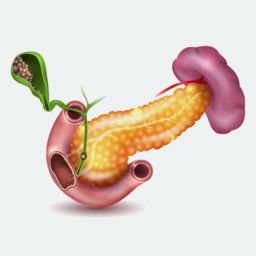
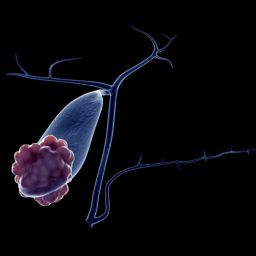
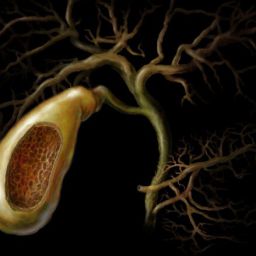
How Does Gallbladder Cancer Spread?
The spread of gallbladder cancer follows a few well-established pathways:
- Lymphatic Spread: Cancer cells can spread through the lymphatic system, which is part of the body’s immune system. Lymph nodes located near the gallbladder and liver are often the first site of metastasis. As cancer cells travel via the lymphatic system, they can invade other organs.
- Hematogenous Spread: The cancer cells may also enter the bloodstream, allowing them to travel to distant organs. This mode of spread is particularly important when considering metastasis to organs such as the lungs, liver, and bones.
- Direct Invasion: Gallbladder cancer can also spread directly to neighboring structures, such as the liver, duodenum, or bile ducts. This type of invasion is especially common in locally advanced stages of the disease.
Which Organs Are Typically Affected by Gallbladder Cancer Metastasis?
When gallbladder cancer metastasizes, it can affect several key organs. The pattern of metastasis in gallbladder cancer tends to follow certain trends, with some organs being more commonly involved than others.
1. Liver
The liver is the most common organ affected by metastasis in gallbladder cancer. Given the proximity of the gallbladder to the liver and its extensive blood supply, cancer cells can easily invade the liver. This is considered local metastasis, as the liver is directly adjacent to the gallbladder.
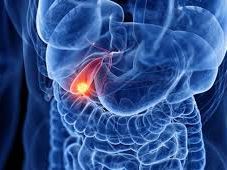
- How It Spreads: Cancer cells can invade the liver directly through the blood vessels and bile ducts that connect the gallbladder and the liver. This is one of the most frequent and critical sites of metastasis, significantly impacting treatment options and prognosis.
- Impact on Treatment: Metastasis to the liver complicates surgical resection, as it can make complete removal of the tumor difficult. In some cases, liver resection may be performed to remove both the gallbladder and part of the liver if the cancer is confined to a localized area of the liver.
2. Lymph Nodes
Lymph node involvement is another common manifestation of metastasis in gallbladder cancer. Cancer cells spread through the lymphatic system, often affecting nearby lymph nodes before spreading to more distant sites.
- Common Lymph Node Sites: The regional lymph nodes most commonly affected by gallbladder cancer include those around the liver, celiac nodes, and those near the bile duct and pancreas.
- Impact on Prognosis: The involvement of lymph nodes is often an indicator of more advanced disease and can significantly impact prognosis. Lymph node metastasis typically results in a less favorable outlook and may require a combination of treatments, including chemotherapy and radiation.
3. Peritoneum (Peritoneal Cavity)
The peritoneum, the thin membrane that lines the abdominal cavity and covers most of the organs within it, is another common site of metastasis for gallbladder cancer. This type of spread is often referred to as peritoneal carcinomatosis.
- How It Occurs: Cancer cells may spread to the peritoneum through direct invasion of the bile ducts, liver, or surrounding structures, or they may be carried through the lymphatic system. Once the cancer reaches the peritoneal cavity, it can cause the formation of metastatic tumors on the peritoneal surfaces.
- Impact on Treatment: Peritoneal metastasis is difficult to treat surgically, as it typically involves the spread of cancer throughout the abdominal cavity. Palliative treatments such as chemotherapy and intraperitoneal chemotherapy may be used to manage symptoms and slow the progression of the disease.
4. Lungs
Though less common than liver or lymph node metastasis, gallbladder cancer can spread to the lungs, especially in later stages. This occurs via hematogenous spread, where cancer cells enter the bloodstream and travel to the lungs.
- How It Spreads: When cancer cells enter the bloodstream, they can travel to various organs, including the lungs. Symptoms may include persistent coughing, difficulty breathing, and chest pain.
- Impact on Treatment: Lung metastasis in gallbladder cancer typically indicates advanced disease and may not be amenable to surgical intervention. Treatment is generally palliative, focusing on improving the patient’s quality of life through chemotherapy or radiation therapy.
5. Bones
Bone metastasis in gallbladder cancer is relatively rare but can occur, particularly in advanced cases. The bones most commonly affected are the spine, ribs, and pelvis.
- How It Spreads: Similar to lung metastasis, bone metastasis occurs when cancer cells travel through the bloodstream. These tumors can cause pain, fractures, and neurological symptoms if they involve the spinal cord.
- Impact on Treatment: Bone metastasis is challenging to treat, and while surgery is rarely an option, pain management and radiation therapy can help alleviate symptoms.
6. Other Organs (Kidneys, Adrenal Glands, etc.)
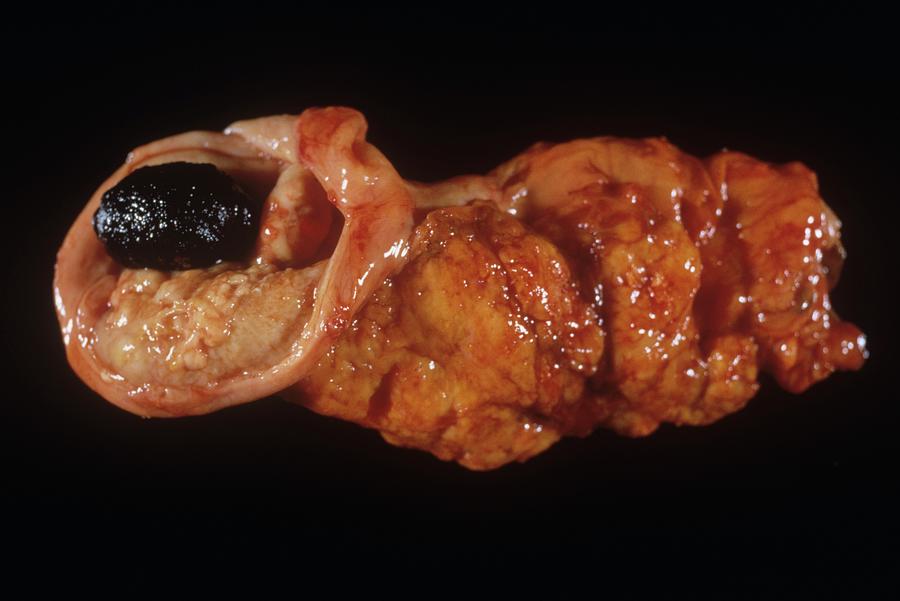
Less commonly, gallbladder cancer can metastasize to other organs such as the kidneys, adrenal glands, and even the brain. These distant metastases are often a sign of very advanced disease and are associated with a poor prognosis.
- How It Spreads: Hematogenous spread allows the cancer cells to reach virtually any organ in the body. The kidneys and adrenal glands are particularly vulnerable due to their proximity to the bloodstream.
- Impact on Treatment: These distant metastases typically make surgical treatment impossible, and systemic therapies such as chemotherapy are often used to control the disease.
Metastasis and Staging of Gallbladder Cancer
The staging of gallbladder cancer is crucial in determining the appropriate treatment approach. The TNM staging system, which stands for Tumor, Node, and Metastasis, is commonly used to assess the extent of gallbladder cancer and whether metastasis has occurred.
- Stage I: Cancer is confined to the gallbladder.
- Stage II: Cancer has spread to the gallbladder wall or surrounding tissue.
- Stage III: Cancer has spread to nearby lymph nodes or nearby structures (like the liver).
- Stage IV: Cancer has metastasized to distant organs or tissues, such as the lungs, bones, or peritoneum.
For patients with metastatic gallbladder cancer, treatments are generally palliative, aiming to alleviate symptoms and improve quality of life rather than cure the disease.
Treatment of Metastatic Gallbladder Cancer
Treatment options for metastatic gallbladder cancer depend on the extent of metastasis, the organs involved, and the patient’s overall health. Common treatments include:
- Surgery: In cases where metastasis is limited, surgery may be performed to remove the gallbladder, affected tissues, and sometimes metastasized regions (e.g., liver resection).
- Chemotherapy: Systemic chemotherapy can be used to target metastatic cancer cells in distant organs.
- Radiation Therapy: Often used for palliative purposes to manage pain and reduce tumor size.
- Palliative Care: Focuses on managing symptoms and improving quality of life when the cancer is too advanced for curative treatments.
Metastasis in gallbladder cancer significantly complicates treatment and prognosis. The liver, lymph nodes, peritoneum, lungs, and bones are the most commonly affected organs. As gallbladder cancer spreads, it becomes more difficult to treat, and survival rates decrease. Understanding the patterns of metastasis is essential for staging the disease, determining appropriate therapies, and managing patient care.
Early detection remains the best strategy for improving outcomes in gallbladder cancer, but once metastasis occurs, treatment typically becomes focused on palliative care to relieve symptoms and slow the progression of the disease. Researchers continue to explore new therapeutic approaches to treat metastatic gallbladder cancer, offering hope for better outcomes in the future.