Understanding Gallstones and Their Impact on Digestion
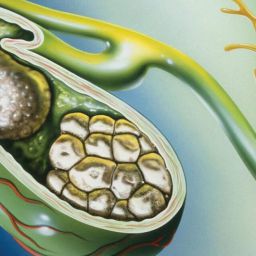
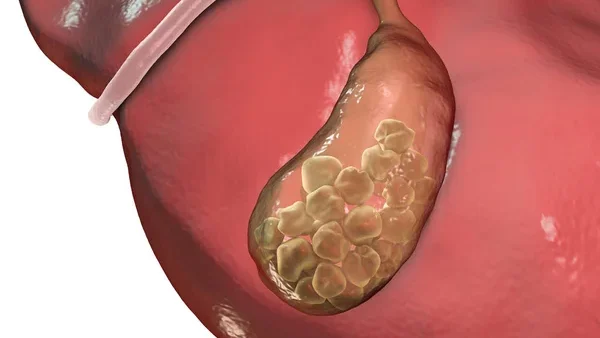
Gallstones are typically categorized into two types:
- Cholesterol Gallstones: These are the most common type and are made primarily of cholesterol, a fatty substance. They form when there is an imbalance between the cholesterol and bile salts in the gallbladder, leading to the formation of hard, crystalline deposits.
- Pigment Gallstones: These are smaller and darker, made of bilirubin, a waste product produced by the breakdown of red blood cells. Pigment stones are more commonly found in individuals with certain medical conditions such as cirrhosis, infections of the bile ducts, or sickle cell anemia.
Gallstones can block bile ducts and cause pain, nausea, and vomiting. In more severe cases, gallstones can lead to cholecystitis (inflammation of the gallbladder), pancreatitis (inflammation of the pancreas), or jaundice. A healthy diet plays a critical role in managing these conditions by promoting efficient digestion and reducing the strain on the gallbladder.
The Role of Diet in Gallstone Management

For people with gallstones, managing their diet is essential for minimizing symptoms and preventing further complications. A diet for gallstone patients should be aimed at reducing the production of cholesterol and promoting efficient digestion. A well-balanced diet can help reduce the size of gallstones and prevent new ones from forming, while also supporting overall gallbladder and digestive health.
Here are the key principles that should guide the ideal diet for individuals with gallstones:
- Low-Fat, High-Fiber Foods
- Smaller, More Frequent Meals
- Adequate Hydration
- Avoiding Trigger Foods
- Limiting Sugar and Refined Carbs
- Including Healthy Fats
- Avoiding Rapid Weight Loss
Let’s dive deeper into these dietary principles and the foods that align with them.
Low-Fat, High-Fiber Foods
A low-fat, high-fiber diet is one of the best approaches for individuals with gallstones. High-fat meals can trigger gallbladder contractions, which may worsen symptoms. Moreover, excessive fat intake can lead to weight gain and high cholesterol levels, both of which increase the risk of gallstone formation.
Fiber-Rich Foods: Fiber plays a vital role in improving digestion, lowering cholesterol levels, and promoting overall gallbladder health. High-fiber foods help maintain regular bowel movements, which is important for preventing bile buildup and gallstone formation. Some fiber-rich foods include:
- Whole Grains: Brown rice, whole wheat, quinoa, barley, and oats.
- Fruits and Vegetables: Apples, pears, berries, spinach, broccoli, and carrots.
- Legumes: Lentils, chickpeas, beans, and peas.
Why High Fiber Is Important: Fiber helps absorb excess cholesterol and aids in its elimination from the body. It also regulates bile production, ensuring that bile is excreted in a healthy manner and not stored in the gallbladder for extended periods.
Smaller, More Frequent Meals
For individuals with gallstones, eating smaller, more frequent meals can help reduce the workload on the gallbladder. Large, heavy meals can put additional pressure on the gallbladder, causing pain and discomfort. By eating smaller meals throughout the day, you can help your gallbladder release bile gradually and efficiently, avoiding strain on the digestive system.
Meal Timing and Frequency:
- Aim to eat 5-6 smaller meals throughout the day rather than 2-3 large meals.
- This helps prevent overloading the gallbladder and ensures consistent bile flow.
- Avoid eating large meals late at night, as this can hinder digestion and cause discomfort during sleep.
Adequate Hydration
Drinking plenty of water is essential for individuals with gallstones. Proper hydration supports the body’s overall functioning and helps prevent bile from becoming too concentrated, which can contribute to gallstone formation. Dehydration can also lead to sluggish digestion and constipation, which can worsen symptoms.
Hydration Guidelines:
- Aim to drink at least 8 cups (2 liters) of water per day, more if you are active or live in a hot climate.
- Herbal teas, such as peppermint or ginger tea, can also aid digestion and soothe the stomach.
Note: Avoid sugary drinks, carbonated beverages, and excessive caffeine, as these can irritate the digestive system.
Avoiding Trigger Foods
Certain foods can trigger gallstone symptoms and should be avoided. These foods tend to irritate the gallbladder or cause it to contract, leading to pain and discomfort. Common trigger foods for people with gallstones include:
- Fried Foods: High-fat and deep-fried foods can overwhelm the gallbladder, leading to discomfort and pain.
- Fatty Meats: Red meats, bacon, sausages, and other fatty cuts of meat are high in saturated fats, which can worsen gallstone symptoms.
- Full-Fat Dairy: Whole milk, cream, cheese, and butter are high in fats and should be avoided in favor of lower-fat alternatives.
- Refined Carbohydrates: White bread, pastries, and sugary snacks should be limited due to their potential to increase cholesterol levels and contribute to weight gain.
Healthy Alternatives to Trigger Foods:
- Instead of fried foods, try baking, grilling, steaming, or roasting.
- Opt for lean cuts of poultry, fish, and plant-based proteins.
- Choose low-fat or fat-free dairy options like skim milk, yogurt, and cheese.
- Replace refined carbohydrates with whole grains, such as whole wheat bread, brown rice, and oats.
Limiting Sugar and Refined Carbohydrates
Refined sugars and carbohydrates can increase cholesterol levels and promote the formation of gallstones. These types of foods can cause the body to store excess fat, which increases the chances of gallstone development. They also lead to fluctuations in blood sugar levels, which may exacerbate symptoms for people with gallstones.
Foods to Limit:
- Sugary Beverages: Soda, sweetened juices, and energy drinks.
- Candy and Sweets: Chocolate bars, cookies, cakes, and pastries.
- Refined Grains: White bread, white rice, and pasta made with refined flour.
Why Limit Sugar and Refined Carbs: These foods contribute to high blood sugar and fat accumulation in the liver, which can lead to bile becoming saturated with cholesterol. This makes it easier for gallstones to form. Replacing refined carbohydrates with complex carbs, such as whole grains, helps keep blood sugar stable and supports digestion.
Including Healthy Fats
While it’s important to limit unhealthy fats, healthy fats are essential for overall health, including gallbladder function. Healthy fats help regulate the secretion of bile and support the digestion of fat-soluble vitamins (A, D, E, and K). Healthy fats also promote satiety, helping to prevent overeating.
Healthy Fats to Include:
- Olive Oil: A rich source of monounsaturated fats that supports digestive health.
- Avocados: High in healthy fats and fiber.
- Nuts and Seeds: Almonds, walnuts, chia seeds, and flaxseeds are great sources of omega-3 fatty acids and fiber.
- Fatty Fish: Salmon, mackerel, and sardines contain omega-3 fatty acids that have anti-inflammatory properties and support overall health.
Why Include Healthy Fats: These fats are beneficial for reducing inflammation and promoting healthy bile production. Unlike saturated fats, healthy fats do not increase the risk of gallstones and may even help prevent them by supporting the gallbladder and liver.
Avoiding Rapid Weight Loss
While weight loss can reduce the risk of gallstones, it’s important to avoid rapid weight loss, as it can actually increase the risk of developing gallstones. Rapid weight loss causes the liver to release excess cholesterol into the bile, which can lead to gallstone formation. Gradual, steady weight loss is recommended for individuals looking to manage their weight and reduce the risk of gallstones.
Guidelines for Safe Weight Loss:
- Aim for a slow and steady weight loss of 1-2 pounds (0.5-1 kg) per week.
- Focus on a balanced, nutrient-rich diet, and avoid extreme diets or fasting.
- Combine diet with regular physical activity to promote healthy weight management.
Sample Gallstone-Friendly Diet
Here’s a sample meal plan for individuals with gallstones to follow:
Breakfast:
- Oatmeal with chia seeds, berries, and a drizzle of honey.
- A cup of herbal tea (such as peppermint or ginger tea).
Lunch:
- Grilled chicken salad with mixed greens, tomatoes, cucumber, and olive oil-based dressing.
- A whole-grain roll or crackers.
Snack:
- A handful of almonds or walnuts.
- A piece of fresh fruit (such as an apple or pear).
Dinner:
- Baked salmon with roasted vegetables (e.g., zucchini, carrots, and broccoli).
- Quinoa or brown rice.
Evening Snack:
- A small bowl of low-fat yogurt with flaxseeds.
For individuals with gallstones, a healthy diet is crucial for managing symptoms, preventing complications, and promoting overall digestive health. A diet rich in fiber, low in unhealthy fats and refined carbohydrates, and high in healthy fats can help reduce the risk of gallstone formation and improve gallbladder function. By following the principles outlined in this article, individuals with gallstones can make informed dietary choices that support their health and well-being.
Making these dietary changes, along with regular physical activity and proper hydration, can help individuals with gallstones maintain a balanced, healthy lifestyle. Always consult with a healthcare provider or nutritionist before making significant changes to your diet, especially if you have underlying health conditions.