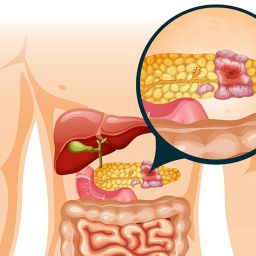
1. Introduction to Pancreas Transplantation and Organ Donation
Pancreas transplantation is a highly specialized procedure performed to treat patients with end-stage type 1 diabetes and related organ damage, particularly kidney failure. In most cases, pancreas transplants are performed as simultaneous pancreas-kidney (SPK) transplants, where both the pancreas and kidney are transplanted together.
The success of pancreas transplantation relies heavily on the availability of a suitable donor organ. Organ donation for pancreas transplantation is a complex process, and the challenges associated with it can impact the donor-recipient match, transplant timing, and long-term outcomes.
In this section, we will discuss the fundamental concepts of pancreas transplantation and the role of organ donation, providing the necessary context to understand the challenges and preventive measures associated with it.
2. Challenges in Pancreas Organ Donation
2.1. Donor Organ Availability
One of the most significant challenges in pancreas transplantation is the limited availability of suitable donor organs. Unlike kidneys, which can be preserved for extended periods, the pancreas is a fragile organ that requires timely transplantation to ensure its functionality.
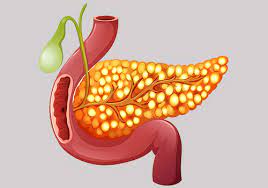
- Short Viability Window: The pancreas has a short ischemic time (time between organ donation and transplantation) before it loses viability. Pancreas organs need to be transplanted within hours after removal from the donor to ensure proper function in the recipient. This presents logistical challenges, as the coordination of organ retrieval and transplantation must occur swiftly and effectively.
- Demand vs. Supply: The demand for pancreas transplants often exceeds the supply of available organs, resulting in waiting lists that may take years for patients to access. This shortage of donor organs increases the complexity of matching suitable donors with recipients.
2.2. Organ Compatibility Issues
Organ compatibility between the donor and recipient is essential to avoid rejection and ensure the success of the transplant. Matching the donor’s and recipient’s organ systems is influenced by several factors, including:
- Human Leukocyte Antigen (HLA) Matching: The closer the match between the donor and recipient’s HLA types, the less likely the immune system will reject the transplanted organ. However, achieving perfect HLA matching for pancreas transplantation is more complex than for kidney transplants due to the pancreas’s unique immunological characteristics.
- Blood Type Compatibility: Blood type matching is crucial for successful pancreas transplantation. Incompatible blood types can cause immediate rejection or dysfunction of the transplanted organ.
- Immunological Sensitization: Some recipients may have been previously sensitized to certain antigens due to prior transplants, blood transfusions, or pregnancies. This sensitization complicates the matching process and increases the likelihood of rejection.
2.3. Organ Preservation and Transport
The preservation of the pancreas after removal from the donor and its transport to the recipient is a highly sensitive process. Unlike some other organs, such as the heart or lungs, which are constantly supplied with blood, the pancreas requires careful management during the ischemic phase (the period after organ removal and before transplant).
- Cold Storage and Ischemic Injury: Pancreas organs are typically preserved using cold storage solutions to slow down metabolic processes. However, this does not prevent ischemic injury, and prolonged storage can lead to reduced organ function and a higher chance of transplant failure.
- Transport Challenges: The organ must be transported swiftly and securely to the transplant center. Delays in transportation or mishandling of the organ can lead to further complications, making timely retrieval and transport a critical factor in successful pancreas transplants.
2.4. Ethical and Legal Issues in Organ Donation
Ethical concerns related to organ donation can further complicate the process. These issues may include:
- Informed Consent: Obtaining consent from the donor’s family for organ donation is an emotional and legally complex process. Families must be fully informed of the benefits and risks of donation, and their decision-making must be handled sensitively.
- Living vs. Deceased Donors: While living donors are often considered for kidney donation, pancreas donations are almost always from deceased individuals. However, the ethical dilemma of determining when brain death has occurred and whether the organ should be harvested is an area of concern.
- Organ Trafficking and Abuse: The global shortage of transplant organs has led to concerns about organ trafficking and illegal practices in some parts of the world. Ensuring transparency and accountability in the organ donation process is crucial to maintaining the ethical standards of pancreas transplantation.
2.5. Medical and Surgical Challenges
- Surgical Complexity: The pancreas is a delicate organ that requires skilled surgical teams for both the retrieval and implantation process. The procedure itself is more complex than kidney transplantation due to the intricate vascular connections and the pancreas’s dual endocrine and exocrine functions.
- Risk of Rejection: Post-transplant rejection remains a significant challenge. Even with immunosuppressive therapy, the immune system may recognize the transplanted pancreas as foreign and attack it. This risk can be heightened by genetic incompatibility, pre-sensitization, and other factors.
3. Preventive Measures to Address Challenges in Pancreas Organ Donation
3.1. Increasing Donor Organ Availability
Efforts to increase organ availability focus on several strategies:

- Organ Donation Awareness: Public education campaigns can encourage individuals to register as organ donors, thereby increasing the number of available pancreas donations. Increased awareness is critical in addressing the gap between organ demand and supply.
- Expanding Donor Criteria: Expanding the criteria for pancreas donors, including considering older or less-than-ideal organs, may help increase the number of organs available. This requires careful evaluation of organ viability and matching.
- Improving Organ Preservation Technology: Advances in organ preservation, including better cold storage solutions and the development of machine perfusion (where the organ is kept viable outside the body through a perfusion machine), may extend the time window for pancreas transplant surgeries and improve success rates.
3.2. Enhancing Organ Matching
Efforts to improve donor-recipient matching focus on:
- Better HLA Typing: More accurate and comprehensive HLA typing techniques can improve the matching process and reduce the likelihood of transplant rejection.
- Pre-Transplant Sensitization Monitoring: By identifying sensitized recipients through blood tests that detect antibodies against potential donor organs, transplant centers can more effectively match organs to recipients, minimizing the risk of rejection.
- Blood Type Matching Advances: Techniques such as ABO-incompatible transplants may allow for greater flexibility in matching donors and recipients with different blood types, though these procedures require additional immunosuppressive treatments.
3.3. Improving Ethical and Legal Frameworks
To ensure ethical integrity in organ donation:
- Clear Legal Guidelines: Establishing clear legal frameworks for organ donation can help streamline the process and address concerns related to consent and organ retrieval. International agreements and national policies on organ donation can safeguard against exploitation and trafficking.
- Enhanced Family Counseling: Donor families should receive psychological counseling to help them make informed decisions about organ donation. This can reduce emotional stress and ensure that the family understands the benefits of their decision.
3.4. Reducing Surgical and Medical Risks
- Advancements in Immunosuppressive Therapy: Ongoing research in immunosuppressive medications aims to reduce the risk of rejection while minimizing the side effects that accompany long-term use of these drugs.
- Improved Surgical Techniques: Advances in surgical techniques and tools can reduce complications during the transplantation process, making the procedure safer for both the donor and the recipient.
- Post-Transplant Monitoring: Continuous monitoring of the transplanted organ’s function, along with regular follow-up visits, can help detect signs of rejection early and adjust treatment as needed.
Organ donation for pancreas transplantation presents a unique set of challenges, ranging from organ availability and compatibility issues to ethical considerations and surgical complexities. However, through strategic preventive measures, such as enhancing organ preservation methods, improving donor-recipient matching, and addressing legal and ethical concerns, these challenges can be mitigated.
By working together to address these challenges, the medical community can ensure that more patients have access to life-saving pancreas transplants, improving their health and quality of life. Additionally, increasing public awareness and creating more robust donation programs will be essential for meeting the growing demand for organ donations and advancing the field of pancreas transplantation.