The Need for Liver Transplants
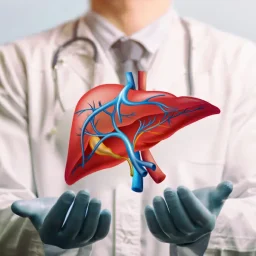
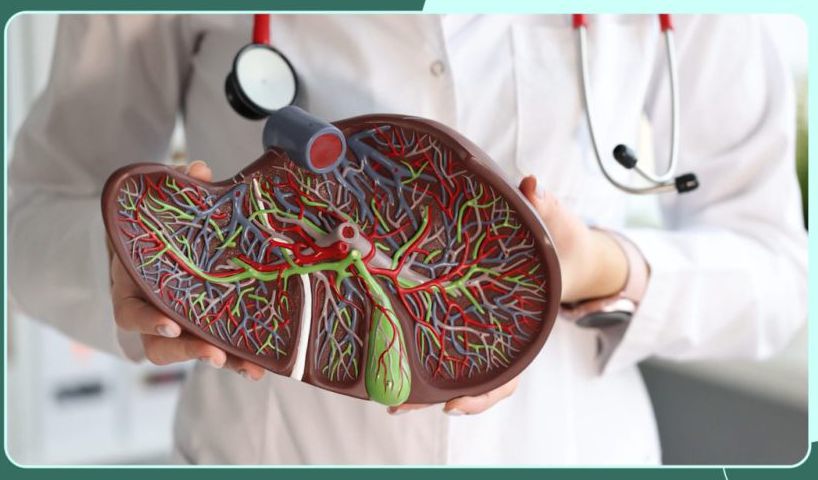
Liver diseases are a major global health concern, with conditions such as cirrhosis, liver cancer, and acute liver failure being among the leading causes of liver-related deaths. A liver transplant is often the last resort for patients with end-stage liver disease (ESLD) who can no longer survive with their native liver.
Common Conditions Requiring Liver Transplantation
- Cirrhosis: The most common reason for liver transplantation, cirrhosis is the result of long-term liver damage from conditions like chronic alcoholism, hepatitis B and C infections, and non-alcoholic fatty liver disease (NAFLD). In cirrhosis, the liver becomes scarred and loses its ability to function properly.
- Acute Liver Failure (ALF): ALF occurs when the liver suddenly loses its ability to perform its normal functions. It can result from viral hepatitis, drug-induced liver injury (such as from acetaminophen overdose), or toxins.
- Liver Cancer: Hepatocellular carcinoma (HCC), the most common type of liver cancer, often develops in patients with cirrhosis. For patients with localized liver cancer, a transplant can offer a chance for a cure.
- Genetic Disorders: Some genetic conditions like Wilson’s disease or hemochromatosis can lead to liver failure, requiring a transplant.
Given the limited number of available donor organs and the rising demand for liver transplants, organ donation becomes a key factor in addressing this health crisis.
The Role of Organ Donation in Liver Transplantation
Organ donation is the cornerstone of the liver transplant process. When an individual donates their liver, it can save the lives of several patients, as a portion of the liver can be transplanted. A donated liver provides a fresh start for someone whose own liver is no longer functioning, offering improved chances for long-term survival and a better quality of life.
Living Donors vs. Deceased Donors
Liver transplants can come from two main sources: living donors and deceased donors.
- Living Donors: In some cases, a living person can donate a portion of their healthy liver to a recipient. The liver is a unique organ in that it has the ability to regenerate, meaning both the donor’s and recipient’s liver will grow back to normal size over time. Living donor liver transplants are especially important when there is a shortage of deceased donor organs. However, living donations are usually only feasible when the donor is a close relative or someone who has been thoroughly screened for compatibility.
- Deceased Donors: The majority of liver transplants come from deceased donors. Deceased organ donors are usually patients who have suffered brain death or circulatory death. After brain death, organs such as the liver, heart, kidneys, and lungs may be preserved for transplantation. The donated liver is then carefully transported to the recipient, who is typically already on a waiting list for a transplant.
The need for deceased organ donations, particularly for liver transplants, is ever-increasing, as the demand far outweighs the supply. Organ donation saves lives, but the number of people willing to donate remains insufficient to meet this need.
The Organ Donation Process for Liver Transplantation
Understanding the organ donation process for liver transplantation can help clarify its importance and the complexities involved.
1. Organ Donation Registration
The first step in the donation process is for an individual to register as an organ donor. This can be done by signing up on a national or regional donor registry, which is a legal document confirming a person’s willingness to donate their organs in the event of death.
It’s important to communicate the decision to family members so they can carry out the person’s wishes. In some countries, organ donation is legally mandated, and the decision is made automatically unless the individual explicitly opts out.
2. Organ Matching and Compatibility Testing
Once an individual has passed away and their organs are suitable for transplantation, a process of organ matching begins. For liver transplants, the medical team looks for compatibility between the donor and the recipient, which involves several factors:
- Blood Type Compatibility: The donor and recipient must have compatible blood types.
- Size of the Liver: The liver must be the correct size for the recipient’s body.
- Other Health Factors: Organs are matched based on several medical factors, such as the donor’s age, medical history, and the presence of any infections or diseases.
Compatibility testing ensures that the recipient’s body is less likely to reject the transplanted liver and allows the transplant to be successful.
3. Transplantation Surgery
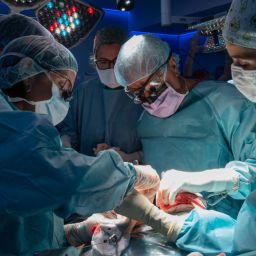
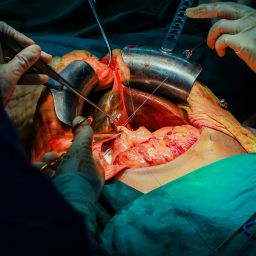
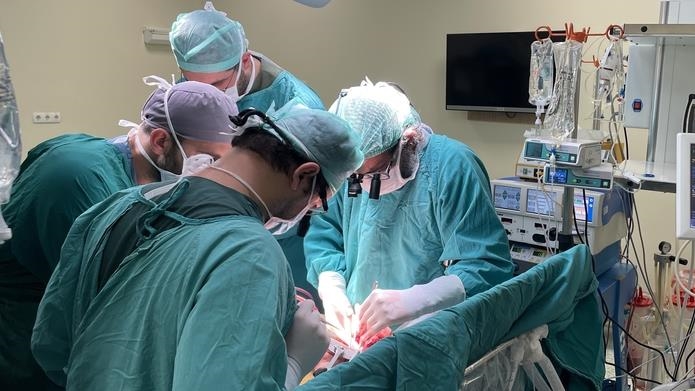
Once a compatible donor organ is found, the transplant surgery begins. The procedure involves removing the recipient’s diseased liver and transplanting the healthy donor liver into their body. The surgery is complex and can take several hours, requiring a team of surgeons, anesthesiologists, and medical professionals.
After the surgery, the patient is closely monitored for signs of organ rejection, infection, or any complications.
The Impact of Organ Donation on Liver Transplant Recipients
The availability of donor organs has a profound impact on the lives of liver transplant recipients. For many, the transplant represents a second chance at life. However, receiving a liver transplant comes with lifelong commitments to medical management and a series of physical and emotional challenges.
1. Improved Health Outcomes
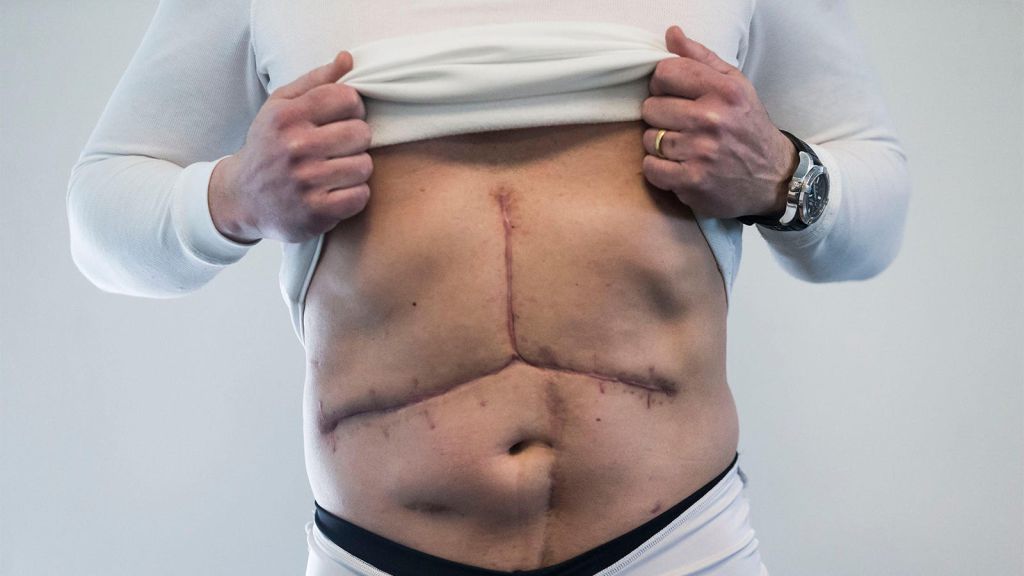
A successful liver transplant can significantly improve a patient’s quality of life, allowing them to return to their daily activities and work. Liver transplantation can also reduce the need for ongoing dialysis and eliminate the symptoms of liver failure, such as jaundice, fluid retention, and confusion.
The transplant offers recipients the opportunity to live a longer life free from the debilitating effects of liver disease. However, they must also remain vigilant about managing their health to prevent organ rejection and other complications.
2. The Lifesaving Role of Deceased Donors
Liver transplants from deceased donors are crucial because they offer the possibility of saving lives when living donations are not available. For patients on the transplant waiting list, receiving a liver from a deceased donor can be the difference between life and death. According to the World Health Organization (WHO), more than 800,000 people worldwide suffer from chronic liver disease, and only a small percentage receive transplants.
For many patients with liver failure, the wait for a donor organ can be long, and some patients do not survive long enough to receive the transplant they need. This underscores the importance of increasing organ donation rates globally to ensure that more lives can be saved.
Challenges and Ethical Considerations in Organ Donation
While organ donation is vital for liver transplantation, several challenges affect the process, from ensuring sufficient donor organs to addressing ethical concerns related to consent, allocation, and distribution.
1. Organ Shortage
One of the greatest challenges in liver transplantation is the shortage of available organs. Thousands of patients around the world are waiting for a liver transplant, but there are simply not enough donors to meet the demand. This imbalance leads to long waiting times, with some patients not surviving until an organ becomes available.
Efforts to address this shortage include raising awareness about organ donation, encouraging more individuals to register as organ donors, and exploring alternative solutions such as living organ donations and donation after circulatory death.
2. Ethical Issues
Organ donation raises several ethical concerns, particularly in the areas of consent, organ allocation, and the potential for exploitation. Ensuring that organ donation is voluntary and that organs are distributed fairly is a key challenge for healthcare systems worldwide.
In many countries, deceased organ donation requires consent from the individual before death, or from their family members if consent was not given. The allocation of organs must also follow strict guidelines to ensure fairness and prioritize those in greatest need.
Organ donation is undeniably important for liver transplantation, offering a life-saving opportunity for patients with end-stage liver disease. As the demand for liver transplants continues to rise, the need for more organ donors becomes increasingly urgent.
By registering as an organ donor and educating others about the importance of organ donation, we can help save countless lives and improve the health outcomes of individuals suffering from liver failure. Public awareness campaigns, improved donation systems, and better access to transplantation care are crucial steps in addressing the organ shortage and ensuring that more patients receive the lifesaving transplant they need.
Liver transplantation is a remarkable medical achievement, but it relies on the generosity of organ donors. Through collective action and ongoing advocacy, we can ensure that more lives are saved, and the impact of liver disease is lessened for future generations.