Pre-Transplant Complications and Considerations
Before undergoing a kidney transplant, patients must undergo a thorough evaluation to determine whether they are suitable candidates for the procedure. This evaluation includes physical exams, lab tests, and screenings to identify potential complications. Some pre-transplant complications may impact the patient’s ability to undergo surgery, while others could increase the risk of complications during or after the transplant.
1. Delayed Graft Function (DGF)
Delayed graft function refers to a situation in which the transplanted kidney does not function immediately after surgery. This condition can result from various factors, including the quality of the donor kidney, the length of time the kidney has been preserved, or the patient’s overall health condition.
While DGF can occur in both living and deceased donor transplants, it is more common in deceased donor transplants, particularly when there is a prolonged cold ischemia time (the time between organ retrieval and transplantation). In cases of DGF, the patient may require dialysis for several days or even weeks until the transplanted kidney begins functioning properly.
2. Organ Rejection Risk Evaluation
Rejection is the body’s immune response against the transplanted kidney, which is perceived as foreign. Before transplantation, recipients must undergo immunological testing to assess the likelihood of rejection and ensure that they are compatible with the donor kidney. If a patient is at high risk for rejection, additional immunosuppressive therapies may be considered to reduce the chances of rejection.
However, even with immunosuppressive medications, there is always a risk of acute or chronic rejection following the transplant. The risk evaluation process is essential to help guide the management of immunosuppressive therapy and ensure the best chance of transplant success.
3. Cardiovascular Health Assessment
Cardiovascular disease is common among patients with end-stage renal disease (ESRD), and it is one of the leading causes of mortality in kidney transplant recipients. Before undergoing a transplant, patients are assessed for cardiovascular conditions such as hypertension, coronary artery disease, and heart failure. Pre-transplant cardiovascular conditions must be addressed and managed to reduce the risks of complications during and after the surgery.
Preoperative cardiovascular issues may require medications, lifestyle changes, or even surgeries (such as angioplasty) to stabilize the patient’s heart and vascular health before proceeding with the transplant.
Intraoperative Complications During Kidney Transplant Surgery
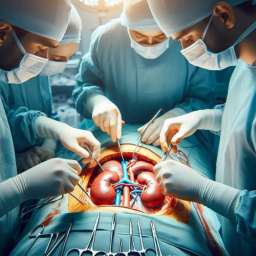
The kidney transplant procedure is a complex surgery that requires the expertise of a specialized surgical team. While modern techniques have greatly improved the success rates of kidney transplants, there are still risks involved during the surgery itself. Below are some common complications that can arise during the transplant surgery.
1. Bleeding
Bleeding is a potential complication during any surgical procedure, and kidney transplants are no exception. The surgery involves connecting blood vessels, including the renal artery and vein, which can lead to bleeding if not properly managed. Additionally, the use of immunosuppressive drugs can increase the risk of bleeding due to their effect on blood clotting.
Surgeons take great care to minimize the risk of bleeding, but if it occurs, it may require blood transfusions or additional surgical interventions to control the bleeding and stabilize the patient.
2. Infection During Surgery
As with any major surgery, infection is a significant concern during a kidney transplant. The surgical team follows strict aseptic techniques to minimize the risk of infection, but even with careful precautions, infections can still occur. Infections can develop in the surgical site, in the transplanted kidney, or within other organs. Common infections include urinary tract infections (UTIs), pneumonia, and sepsis.
Patients who undergo kidney transplantation are also at a higher risk for infections due to the immunosuppressive drugs they must take to prevent organ rejection. These drugs weaken the immune system, making it more difficult for the body to fight infections.
Post-Transplant Complications
Once the kidney transplant surgery is completed successfully, the patient enters the recovery phase, during which the body adjusts to the new organ. However, this phase is not without its challenges. Post-transplant complications are common, and it is crucial for both the patient and healthcare team to remain vigilant in monitoring and managing these risks.

1. Acute Rejection
Acute rejection occurs when the body’s immune system identifies the new kidney as foreign and attempts to destroy it. This is one of the most common complications after kidney transplantation, but it can usually be managed with immunosuppressive medications. The signs of acute rejection may include fever, pain over the transplant site, swelling, and a decrease in kidney function.
Early detection of acute rejection is essential for successful treatment. Regular monitoring of kidney function through blood tests, urine tests, and biopsies helps identify rejection episodes before they lead to permanent damage to the transplanted kidney.
2. Chronic Rejection
Chronic rejection is a long-term process that can occur over months or even years. It is characterized by gradual loss of kidney function, often leading to eventual graft failure. Chronic rejection is caused by ongoing immune system damage to the transplanted kidney, even with the use of immunosuppressive medications.
While chronic rejection is harder to manage than acute rejection, careful monitoring and early intervention can help slow its progression. In some cases, a second transplant may be necessary if chronic rejection leads to complete graft failure.
3. Infection Risk
One of the most serious risks after a kidney transplant is infection. Immunosuppressive drugs are required to prevent rejection, but these drugs also weaken the immune system, leaving the body more susceptible to infections. Common infections after kidney transplants include:
- Urinary Tract Infections (UTIs): The risk of UTIs is higher after kidney transplant surgery due to the insertion of a catheter and the need for immunosuppressive therapy. UTIs can lead to serious complications, including kidney damage if left untreated.
- Pneumonia: Pneumonia is another common infection that can occur after transplant surgery, particularly in patients who have been on prolonged immunosuppressive therapy.
- Cytomegalovirus (CMV) Infection: CMV is a viral infection that is common in transplant patients and can cause symptoms such as fever, fatigue, and organ damage. It can be prevented or treated with antiviral medications.
Early diagnosis and prompt treatment of infections are essential to reduce the risk of complications and to ensure the best outcome for the patient.
4. High Blood Pressure (Hypertension)
Hypertension is a common post-transplant complication that can affect kidney function. It can be caused by several factors, including the use of immunosuppressive medications, kidney graft rejection, or the patient’s pre-existing cardiovascular conditions. High blood pressure can damage blood vessels in the transplanted kidney, leading to reduced kidney function over time.
Managing hypertension after kidney transplantation typically involves a combination of medications, lifestyle changes, and regular monitoring of blood pressure levels.
5. Graft Failure
Graft failure occurs when the transplanted kidney stops functioning, requiring the patient to undergo dialysis or possibly receive a second transplant. Graft failure can occur due to several factors, including chronic rejection, infection, or damage to the kidney from medications or other complications.
While graft failure is a serious issue, it is important to note that many kidney transplant recipients live for many years with a functioning graft, and advances in transplantation have improved long-term outcomes. When graft failure occurs, dialysis can help manage the symptoms while the patient awaits a new transplant.
Kidney transplantation offers a life-changing opportunity for patients with end-stage renal disease, but it is not without its complications. From pre-transplant issues such as delayed graft function and organ rejection risk to intraoperative complications like bleeding and infection, and post-transplant challenges like acute rejection, chronic rejection, infections, and graft failure, kidney transplant recipients face numerous risks.
However, with careful monitoring, proper medical care, and proactive management strategies, many of these complications can be effectively addressed, ensuring that kidney transplant recipients can enjoy a long and healthy life with their new kidneys. Understanding these complications and their management is essential for both patients and healthcare providers, as it promotes better decision-making, effective treatment plans, and ultimately better outcomes.
As the field of kidney transplantation continues to evolve, advancements in surgical techniques, immunosuppressive therapies, and post-transplant care are helping to improve transplant success rates and reduce the risks associated with kidney transplantation.