

What Are Benign Thyroid Tumors?
Benign thyroid tumors, or thyroid nodules, are non-cancerous growths that develop in the thyroid gland. They can range in size from tiny nodules that are undetectable to the naked eye to larger masses that may be felt on the neck. These tumors are fairly common, with studies suggesting that up to 50% of the population may have thyroid nodules, though the majority are benign.
There are several types of benign thyroid nodules, including:
- Colloid Nodules: The most common type of benign thyroid nodule, these are made of normal thyroid tissue.
- Cystic Nodules: These nodules contain fluid and can sometimes cause discomfort or swelling.
- Adenomas: These are benign tumors composed of thyroid cells, which can sometimes cause overproduction of thyroid hormones.
- Goiters: An enlarged thyroid, often due to iodine deficiency or autoimmune disease, can lead to the development of multiple nodules.
Benign thyroid tumors can be either non-functional (not producing thyroid hormones) or functional (producing excess thyroid hormones). Functional benign tumors, like toxic adenomas, can lead to hyperthyroidism, a condition where the thyroid produces an excessive amount of thyroid hormones, potentially impacting various bodily functions, including fertility.
Thyroid and Fertility: Understanding the Connection
The thyroid gland is crucial for regulating the body’s metabolism by producing thyroid hormones—thyroxine (T4) and triiodothyronine (T3). These hormones play a significant role in various bodily processes, including the menstrual cycle and ovulation, both of which are essential for fertility. Any imbalance in thyroid hormone levels, whether too much or too little, can disrupt normal reproductive function.
1. Hypothyroidism and Its Impact on Fertility

Hypothyroidism, or an underactive thyroid, occurs when the thyroid does not produce enough thyroid hormones. This condition can lead to a variety of symptoms, including fatigue, weight gain, depression, and irregular menstrual cycles. When thyroid hormones are insufficient, the production of other hormones that regulate reproduction, such as estrogen and progesterone, can be disrupted. This hormonal imbalance can interfere with ovulation, making it more difficult to conceive.
For women with benign thyroid tumors that result in hypothyroidism, fertility can be affected in several ways:
- Irregular Menstrual Cycles: One of the primary effects of hypothyroidism is irregular or absent periods. This can make it harder to predict ovulation, thus reducing the chances of conception.
- Anovulation: When the thyroid is not functioning properly, ovulation may not occur regularly, or it may not happen at all. Anovulation (lack of ovulation) is a common cause of infertility.
- Increased Miscarriage Risk: Untreated hypothyroidism can increase the risk of miscarriage, particularly in the early stages of pregnancy.
Fortunately, hypothyroidism caused by benign thyroid tumors can often be managed effectively with thyroid hormone replacement therapy. By restoring thyroid hormone levels to normal, many women with hypothyroidism can resume regular ovulation and improve their fertility.
2. Hyperthyroidism and Its Effects on Fertility
Hyperthyroidism, or an overactive thyroid, occurs when the thyroid produces too much thyroid hormone. This condition can be caused by benign tumors such as toxic adenomas or multinodular goiters, which can lead to excessive hormone production.
Hyperthyroidism can also have significant effects on fertility:
- Irregular or Heavy Menstrual Periods: Women with hyperthyroidism may experience menstrual irregularities, including light or infrequent periods. In some cases, periods may stop altogether.
- Anovulation: Just as with hypothyroidism, hyperthyroidism can also interfere with the normal ovulation process, making it difficult to conceive.
- Increased Risk of Pregnancy Complications: Untreated hyperthyroidism can increase the risk of pregnancy complications, such as preterm birth, low birth weight, and preeclampsia.
- Early Miscarriage: There is an increased risk of early pregnancy loss in women with hyperthyroidism, especially if it is not well managed.
Treatment for hyperthyroidism caused by benign thyroid tumors may include antithyroid medications, radioactive iodine therapy, or, in some cases, surgery to remove the tumor. Proper treatment can help restore hormonal balance and improve fertility outcomes.
3. Benign Thyroid Tumors Without Hormonal Imbalance
In some cases, benign thyroid tumors do not cause any significant hormonal imbalance. These non-functional nodules typically do not produce thyroid hormones and may not lead to any fertility issues. In such cases, the tumors are less likely to interfere with reproductive health, and fertility may not be significantly affected.
However, it is still important for individuals with benign thyroid tumors to have regular monitoring and follow-up care to ensure that any changes in the thyroid function are detected early.
4. Thyroid Nodules and Pregnancy
For women who are already pregnant or planning to conceive, it is important to monitor thyroid health closely. Both hypothyroidism and hyperthyroidism during pregnancy can pose risks to both the mother and the baby. If a benign thyroid tumor causes thyroid dysfunction, it may require treatment during pregnancy to minimize these risks.
In cases where thyroid nodules are present but not causing hormonal disturbances, regular monitoring may be sufficient. If the nodule is affecting thyroid function or causing symptoms, further interventions may be necessary.
Diagnosing Thyroid Nodules and Fertility Concerns
If you have a benign thyroid tumor and are concerned about its effects on fertility, it’s essential to undergo a thorough evaluation. This typically involves:
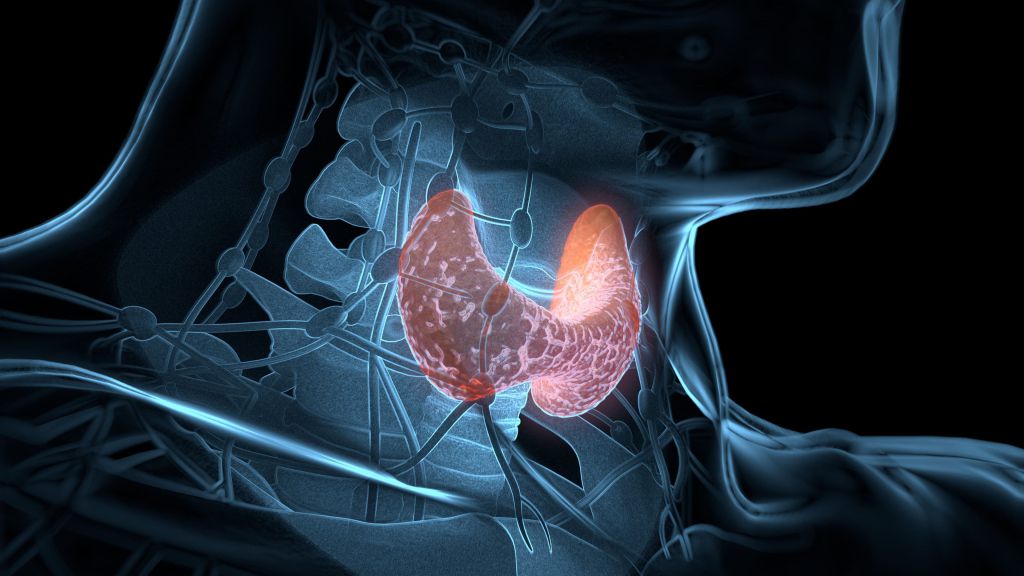
- Physical Examination: A doctor will perform a physical exam to check for the presence of nodules or goiters in the thyroid gland.
- Blood Tests: Measuring levels of thyroid hormones (T3, T4) and thyroid-stimulating hormone (TSH) helps determine whether there is an overactive or underactive thyroid.
- Ultrasound: A thyroid ultrasound is used to assess the size and characteristics of the nodule, helping to determine if it is benign or malignant.
- Fine Needle Aspiration (FNA) Biopsy: If a nodule is suspicious, an FNA biopsy may be performed to remove a small sample of tissue for testing.
Once diagnosed, treatment options will be discussed based on the type of thyroid tumor and its effects on thyroid function. If thyroid dysfunction is present, hormone replacement or other treatments may be prescribed to restore balance and improve fertility outcomes.
Treatment Options for Thyroid Tumors and Fertility
The treatment of benign thyroid tumors depends on the type of tumor and the severity of any thyroid dysfunction:
- Hormone Replacement Therapy: For those with hypothyroidism, thyroid hormone replacement can normalize hormone levels and restore fertility.
- Antithyroid Medications: For hyperthyroidism, medications such as methimazole or propylthiouracil can be used to inhibit thyroid hormone production and improve fertility.
- Radioactive Iodine Therapy: This treatment may be used to shrink or destroy benign thyroid tumors that are causing hyperthyroidism.
- Surgery: In cases where a large benign nodule is causing symptoms or significant thyroid dysfunction, surgery may be recommended to remove the tumor.
Benign thyroid tumors can impact fertility, particularly if they cause hormonal imbalances such as hypothyroidism or hyperthyroidism. Both conditions can interfere with ovulation, menstrual cycles, and pregnancy outcomes. However, with appropriate treatment, most thyroid-related fertility issues can be managed effectively. For those with benign thyroid tumors, early diagnosis and proper management are key to maintaining hormonal balance and optimizing fertility.
If you suspect that a benign thyroid tumor may be affecting your fertility, it is important to consult with a healthcare provider who specializes in thyroid health. By addressing thyroid function early, many women and men with benign thyroid tumors can go on to have successful pregnancies and healthy reproductive outcomes.
