

The Immune System and Its Role in Organ Transplantation
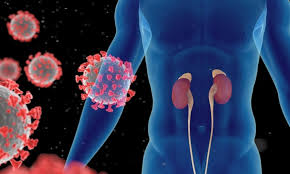
Before we dive into the specifics of blood and tissue compatibility, it is essential to understand the role of the immune system in organ transplantation. The immune system’s primary function is to defend the body against harmful substances like viruses, bacteria, and foreign bodies. However, when a foreign object, such as a transplanted kidney, is introduced into the body, the immune system may identify it as an invader and attack it in an attempt to destroy it. This phenomenon is known as organ rejection.
To prevent rejection, patients who receive a kidney transplant must take immunosuppressive medications that dampen the immune system’s activity. These medications reduce the likelihood of the immune system recognizing the new kidney as a foreign object and attacking it. However, even with immunosuppressive drugs, tissue and blood compatibility still play a significant role in determining the likelihood of a successful transplant.
What is Blood Compatibility in Kidney Transplantation?

Blood compatibility refers to the matching of the blood type between the kidney donor and recipient. This compatibility is essential because mismatched blood types can lead to the body’s immune system attacking the new organ, which can result in transplant rejection or failure. There are four main blood types: A, B, AB, and O, each with its own set of antibodies that can attack incompatible blood cells.
How Blood Compatibility is Determined:
To ensure blood compatibility, the donor and recipient undergo a blood type test. This test is called the ABO compatibility test, and it determines whether the blood types of the donor and recipient match. Here is an overview of how blood type compatibility works:
- Blood Type A: Has A antigens on the surface of red blood cells and anti-B antibodies in the plasma.
- Blood Type B: Has B antigens on the surface of red blood cells and anti-A antibodies in the plasma.
- Blood Type AB: Has both A and B antigens on the surface of red blood cells and no anti-A or anti-B antibodies in the plasma.
- Blood Type O: Has no A or B antigens on the surface of red blood cells and has both anti-A and anti-B antibodies in the plasma.
Blood Compatibility Process:
- If the recipient’s blood type is A, they can receive kidneys from donors with blood types A or O.
- If the recipient’s blood type is B, they can receive kidneys from donors with blood types B or O.
- If the recipient’s blood type is AB, they can receive kidneys from donors with blood types A, B, AB, or O (universal recipient).
- If the recipient’s blood type is O, they can only receive kidneys from donors with blood type O (universal donor).
The goal of this blood compatibility test is to ensure that there are no pre-existing antibodies in the recipient’s blood that will attack the donor’s kidney. Incompatible blood types can cause serious complications and kidney transplant rejection.
What is Tissue Compatibility in Kidney Transplantation?

Tissue compatibility refers to the matching of the genetic markers between the donor and recipient. These markers are called human leukocyte antigens (HLA). HLA are proteins found on the surface of cells, including kidney cells, that help the immune system recognize self from non-self. The more closely the HLA markers of the donor and recipient match, the lower the risk of organ rejection.
There are three primary classes of HLA: Class I, Class II, and Class III, but it is the Class I and II markers that are most relevant for kidney transplantation. A close match in these markers significantly reduces the chances of the recipient’s immune system recognizing the transplanted kidney as a foreign object and attacking it.
How Tissue Compatibility is Tested:
The testing for tissue compatibility involves a series of lab tests that examine the HLA markers on the donor’s and recipient’s cells. These tests include:
- HLA Typing:
- HLA typing is a genetic test that determines the specific HLA antigens present in both the donor and recipient. The more the donor’s HLA markers match those of the recipient, the higher the chances of a successful transplant.
- Crossmatch Test:
- In a crossmatch test, the recipient’s serum (which contains antibodies) is mixed with the donor’s lymphocytes (white blood cells). If the recipient’s immune system recognizes the donor’s cells as foreign and produces a reaction (usually in the form of antibody binding), the match is considered incompatible. A positive crossmatch indicates that the kidney may not be accepted and that the transplant would likely fail.
- Tissue Typing:
- In addition to HLA typing, tissue typing involves the examination of the recipient’s and donor’s tissue samples to check for additional markers that may influence compatibility. This process further refines the compatibility results.
Importance of Tissue and Blood Compatibility in Kidney Transplantation
Both blood type and tissue matching are essential in ensuring the long-term success of kidney transplantation. While immunosuppressive drugs are used to reduce the risk of organ rejection, the closer the tissue and blood match between donor and recipient, the lower the likelihood of rejection and the better the overall outcome.
Why Blood Compatibility is Important:
The ABO compatibility test is crucial because mismatched blood types can lead to immediate rejection. For example, if a person with blood type O (universal donor) receives a kidney from a blood type A donor, their immune system will likely attack the new organ, leading to transplant failure. By ensuring that the blood types match, transplant centers significantly reduce the risk of acute rejection and improve the chances of transplant success.
Why Tissue Compatibility is Important:
Tissue compatibility is critical because it helps prevent the immune system from attacking the transplanted organ. The closer the HLA match, the less likely the immune system will reject the kidney. While perfect tissue matches between donor and recipient are rare, even a partial match can significantly improve the transplant outcome.
In cases where a perfect HLA match is not possible, living donor transplants may be an option. A living donor may offer a better match than a deceased donor, as they can be carefully tested for tissue compatibility, allowing for a more personalized transplant approach.
What Happens if There is a Mismatch in Compatibility?
When there is a mismatch in blood type or tissue type, there are several options available to improve the transplant outcome:
- Desensitization Protocols:
- In some cases, patients with incompatible blood types or who have pre-existing antibodies may undergo a desensitization protocol. This treatment involves the use of medication to reduce the immune response before the transplant, helping to increase the likelihood of success.
- Paired Kidney Exchange Programs:
- Kidney transplant centers may offer paired kidney exchange programs, which allow patients with incompatible donors to swap kidneys with other pairs in similar situations. This increases the chances of finding a compatible match for both recipients and donors.
- Living Donor Transplants:
- When a deceased donor is not a suitable match, living donor transplants can provide better tissue and blood compatibility. A family member or friend may donate a kidney to the recipient, which may have a closer tissue match than a deceased donor.
Tissue and blood compatibility are critical factors in the success of kidney transplantation. By ensuring that both the donor and recipient have compatible blood types and HLA markers, transplant centers can significantly reduce the risk of organ rejection and improve the overall outcomes for transplant patients. The testing process involves complex procedures such as ABO compatibility testing, HLA typing, and crossmatching to determine the best possible match between the donor and recipient.
While perfect matches are rare, advances in medical technology, including desensitization protocols and paired kidney exchange programs, offer hope for patients who may not have a direct compatible donor. For kidney transplant recipients, understanding the importance of these compatibility tests and working closely with their medical team can help ensure the long-term success of their transplant and enhance their quality of life.
By embracing these scientific advancements and the testing process involved in kidney transplantation, patients and healthcare providers can optimize the success of the transplant, reduce the risks of complications, and ultimately improve patient outcomes.