Why is Dialysis Sometimes Needed Before a Kidney Transplant?
For individuals with end-stage kidney failure, dialysis becomes necessary when the kidneys can no longer perform their essential functions. Before receiving a kidney transplant, many patients must undergo dialysis to manage the symptoms and complications associated with kidney failure.
Factors Leading to the Need for Dialysis Before a Kidney Transplant:
- Kidney Function Decline:
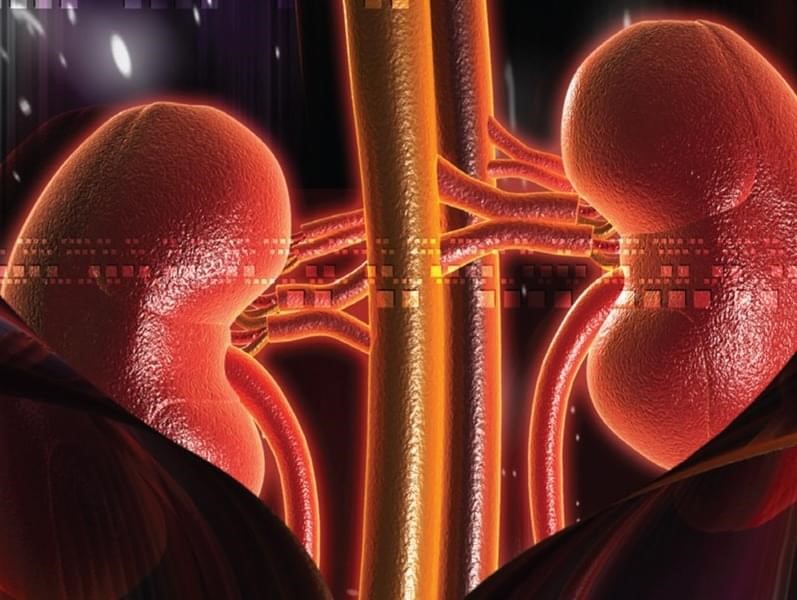
- When kidney function drops to below 15% of normal (stage 5 kidney failure), patients typically need dialysis. Without dialysis or a kidney transplant, survival is not possible because the kidneys cannot filter waste products effectively.
- If a patient’s kidney disease progresses rapidly, dialysis may be needed urgently while awaiting a suitable donor for a transplant.
- Waitlist Time:
- Kidney transplant waitlists can be long due to the shortage of organ donors. During this waiting period, dialysis is often required to maintain the patient’s health. Some patients may wait several years for a transplant, and dialysis helps manage symptoms during this time.
- Health Conditions:
- Some patients may develop complications or other health conditions that prevent them from receiving a transplant immediately. Dialysis helps to stabilize the patient’s condition while these issues are addressed.
- Certain conditions like cardiovascular disease, infections, or other comorbidities may delay transplant eligibility.
- Emergency Dialysis:
- Some individuals may require emergency dialysis if they experience a sudden, acute decline in kidney function. This can happen due to factors such as acute kidney injury, severe dehydration, or infections that exacerbate kidney failure.
- Pre-Transplant Dialysis Requirements:
- Dialysis may be necessary for patients who are candidates for a kidney transplant to optimize their overall health and reduce complications during the transplant surgery. Dialysis helps to balance electrolytes, remove excess fluid, and prevent the buildup of toxins in the body, making the patient more stable for the procedure.
When is Dialysis Necessary After a Kidney Transplant?
While kidney transplants offer the potential for restored kidney function, there are instances where dialysis is required even after the transplant. This can occur due to various reasons, including transplant rejection, infections, or complications that affect the function of the transplanted kidney.
Reasons Dialysis May Be Needed After a Kidney Transplant:
- Acute Rejection:
- The immune system may recognize the transplanted kidney as foreign and attempt to reject it. This can lead to an acute rejection episode, where the kidney’s function is significantly impaired. In cases of acute rejection, dialysis may be necessary temporarily to manage the buildup of toxins until the issue is resolved.
- Chronic Rejection:
- Over time, a kidney transplant may suffer from chronic rejection, where the kidney gradually loses function. This can happen despite immunosuppressive treatment. Chronic rejection can lead to progressive kidney damage and may eventually require dialysis if the transplanted kidney stops working.
- Infections:
- Transplant recipients must take immunosuppressive medications to prevent rejection, but these medications also weaken the immune system, making patients more susceptible to infections. Severe infections can affect the transplanted kidney or the body as a whole, leading to a temporary or permanent decline in kidney function that necessitates dialysis.
- Graft Dysfunction or Failure:
- Occasionally, the transplanted kidney may not function properly after the surgery due to complications during the procedure, blood clots, or other issues. If the kidney fails to function adequately, dialysis may be necessary while the patient’s doctors evaluate the situation or look for alternative solutions.
- Post-Surgical Complications:
- After a kidney transplant, there may be complications like bleeding, obstruction, or fluid retention, all of which can impair kidney function. Dialysis can be used temporarily to manage these complications until the underlying issue is addressed.
- Dehydration and Electrolyte Imbalance:
- Dialysis may be required after transplantation if a patient experiences significant dehydration or electrolyte imbalances, which can affect kidney function and lead to complications if not managed promptly.
- Medications and Toxicity:
- Some medications, including certain immunosuppressants, can cause kidney toxicity, impairing the function of the transplanted kidney. If this happens, dialysis may be necessary to remove the toxins from the body until the medications are adjusted.
The Role of Dialysis in Kidney Transplant Outcomes
While dialysis cannot cure kidney disease, it plays a crucial role in managing kidney failure and optimizing the chances of a successful kidney transplant. In some cases, dialysis before transplant is necessary to stabilize patients and make them eligible for transplant. In other cases, dialysis may be required temporarily or long-term after the transplant to address complications.
Pre-Transplant Dialysis:
- Improved Health and Stability: Dialysis helps patients maintain a more stable health condition while they await a transplant. This includes managing fluid balance, electrolyte levels, and removing waste from the body.
- Reduction of Symptoms: By managing the symptoms of kidney failure (such as fatigue, swelling, and nausea), dialysis ensures that patients can wait for a transplant with fewer discomforts and risks to their overall health.
- Decreased Risk of Complications: Dialysis before transplant reduces the risk of serious complications during surgery, such as high blood pressure or fluid overload.
Post-Transplant Dialysis:
- Temporary Support During Rejection or Complications: Dialysis may provide essential support if the transplanted kidney does not function immediately or if rejection occurs, buying time for medical intervention.
- Long-Term Use in Case of Graft Failure: In some unfortunate cases, a transplanted kidney may fail, requiring long-term dialysis until a second transplant can be performed or the patient adjusts to their new health condition.
Alternatives to Dialysis:
While dialysis and kidney transplant are the primary options for treating kidney failure, there are alternative therapies that may complement these treatments in specific cases.
- Kidney Transplantation:
- For eligible patients, a kidney transplant remains the most desirable option, offering a potential cure rather than temporary symptom management.
- Dialysis Alternatives:
- Home Dialysis: For patients who are not candidates for a kidney transplant, home dialysis can offer more flexibility and better quality of life compared to traditional in-center dialysis.
- Continuous Renal Replacement Therapy (CRRT): CRRT is an alternative method often used for critically ill patients, providing slow, continuous dialysis and is typically done in a hospital setting.
Dialysis plays a vital role in the treatment of end-stage kidney disease, both before and after a kidney transplant. Before a transplant, dialysis helps manage the symptoms of kidney failure and stabilizes patients, allowing them to wait for a donor organ. After a transplant, dialysis may be required temporarily or long-term to manage complications, including organ rejection, infections, or graft failure.
While kidney transplantation provides the best long-term solution, dialysis remains a critical therapy in ensuring that kidney disease patients maintain their health and quality of life during the waiting period or following a transplant. Through careful monitoring and management, patients can minimize the risks associated with both dialysis and kidney transplantation, ultimately improving their outcomes and enjoying a better quality of life.