Why Is Finding a Compatible Kidney Donor Important?
The immune system is designed to protect the body from foreign substances, including bacteria, viruses, and even transplanted organs. When a person receives a transplant, the immune system may recognize the new organ as foreign and attempt to reject it. For this reason, finding a compatible donor is essential to minimize the risk of rejection and ensure the transplant is successful.
Several factors must be considered when determining compatibility between a donor and a recipient. These factors include blood type, tissue matching (including HLA typing), and crossmatch testing. These factors help doctors assess whether the recipient’s immune system will accept or reject the donor kidney.
Key Factors in Kidney Transplant Compatibility
1. Blood Type Compatibility
One of the first steps in ensuring compatibility is matching the donor and recipient’s blood types. The ABO blood group system is the primary method used to determine compatibility. The four main blood types are:
- Type A
- Type B
- Type AB
- Type O
For a kidney transplant to be successful, the donor and recipient must share the same blood type or have compatible blood types. For example, a person with blood type A can receive a kidney from a donor with blood type A or O. However, a person with blood type O can only receive a kidney from a type O donor. Blood type incompatibility can lead to severe rejection of the transplanted organ.
While blood type compatibility is important, there are some exceptions, such as ABO-incompatible kidney transplants, which are possible through medical procedures to minimize the risk of rejection. However, these are not as common and come with increased medical management.
2. HLA Matching: Human Leukocyte Antigen Typing
Human Leukocyte Antigens (HLA) are proteins found on the surface of most cells in the body and play a key role in immune system function. They help the body distinguish between self and non-self cells, which is crucial for identifying potential threats like viruses or bacteria. HLA matching is an essential part of kidney transplant compatibility.
There are three main types of HLA that are tested for in kidney transplantation:
- HLA-A
- HLA-B
- HLA-DR
The more closely these HLA antigens match between the donor and recipient, the less likely it is that the recipient’s immune system will reject the transplanted kidney. In general, the better the HLA match, the higher the chances of long-term kidney transplant success.
However, HLA matching is not always perfect. In many cases, a transplant can still succeed even with some mismatches, though this may require more intense post-transplant immunosuppressive therapy to prevent rejection.
3. Crossmatch Testing
Crossmatch testing is another critical component in determining kidney transplant compatibility. This test involves mixing a small sample of the recipient’s blood with a sample of the donor’s white blood cells to see if there is an immune reaction. A positive crossmatch indicates that the recipient’s immune system is likely to attack the donor kidney, making the transplant unsuitable. A negative crossmatch is ideal, as it suggests the transplant will not face an immediate rejection risk from the recipient’s immune system.
Crossmatch testing is a critical part of the evaluation process and helps doctors make informed decisions about whether a kidney is a suitable match for a recipient. Even if blood type and HLA matching are acceptable, a positive crossmatch can indicate a serious compatibility issue that cannot be overlooked.
Living Donor Kidney Transplants: Advantages and Process
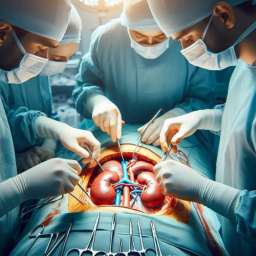
A living donor kidney transplant involves a healthy person donating one of their kidneys to a recipient. This type of transplant has several advantages over deceased donor transplants:
- Shorter waiting time: Living donor kidneys are typically available sooner, reducing the waiting time for recipients.
- Better outcomes: Living donor kidneys tend to function better and last longer than those from deceased donors.
- More control over scheduling: The transplant surgery can be planned at a convenient time for both the donor and the recipient.
How Living Donors Are Tested for Compatibility

Living donors are carefully evaluated for their health and compatibility with the recipient. This evaluation involves a series of tests, including blood type and HLA matching, crossmatch testing, kidney function tests, and a thorough medical history review. Only healthy individuals who are physically and emotionally prepared to donate a kidney are considered for donation.
If a living donor is not a perfect match for a recipient, options like paired kidney exchanges are available, where a donor and recipient pair can swap kidneys with another incompatible pair to find the best match.
Deceased Donor Kidney Transplants
Deceased donor kidney transplants come from individuals who have passed away, typically due to brain death or circulatory death. These transplants make up a significant portion of kidney transplants and are often the only option for patients who have been on the waiting list for a long time. However, there are significant challenges related to deceased donor kidneys:
- Longer waiting times: The demand for kidneys far exceeds the supply, leading to long waiting times for potential recipients.
- Organ preservation: The kidneys from deceased donors are at risk of damage during the time between death and transplant, and organ quality can deteriorate.
- Matching limitations: Deceased donor kidneys are typically matched based on the blood type, HLA typing, and other factors like age and overall kidney quality.
Paired Kidney Exchange Programs: A Solution to Compatibility Issues
Paired kidney exchange programs offer a solution for recipients whose living donors are not a perfect match. These programs allow multiple incompatible pairs of donors and recipients to “swap” kidneys in order to find better matches. This exchange allows recipients to receive a kidney from a donor in another pair, thereby increasing the chances of successful transplantation.
These programs have proven to be highly effective, and some larger transplant centers have developed sophisticated systems to facilitate these exchanges. The ability to expand the pool of compatible kidneys through these programs helps reduce waiting times and improve transplant outcomes.
Advances in Technology and Organ Matching
As the demand for kidney transplants continues to grow, advancements in technology and research have significantly improved the process of finding compatible donors. Organ transplant databases like the United Network for Organ Sharing (UNOS) in the U.S. play a crucial role in managing organ allocation and matching donors to recipients. These databases use sophisticated algorithms that consider various factors, such as:
- Blood type
- HLA matching
- Waiting time
- Geographic location
Furthermore, recent developments in artificial intelligence (AI) and machine learning are being used to analyze vast amounts of data, predict the success of organ matches, and even simulate how a transplanted kidney will interact with the recipient’s immune system. These innovations hold promise for further improving the success rates of kidney transplants and reducing the organ shortage crisis.
Finding a compatible donor for kidney transplantation is a complex but essential process. Blood type compatibility, HLA matching, and crossmatch testing are key to ensuring a successful transplant and minimizing the risks of rejection. With advances in living donor programs, paired kidney exchanges, and new technologies, the future of kidney transplantation looks promising.
As awareness of kidney failure and organ donation continues to grow, it is important for individuals to consider becoming organ donors to help address the global shortage of kidneys for transplant. By understanding how kidney transplant compatibility works, patients and donors alike can contribute to making the life-saving gift of kidney donation a reality.