Can Radioactive Iodine Therapy Be Used for Benign Thyroid Nodules?
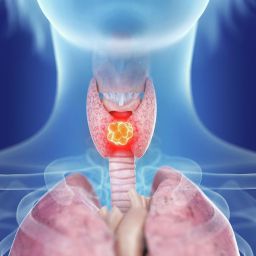
Thyroid nodules are relatively common and, in most cases, benign (non-cancerous). While many people with benign thyroid nodules experience no symptoms, others may encounter discomfort or complications that affect their thyroid function. Treatment for benign thyroid nodules typically focuses on managing symptoms or preventing complications rather than eliminating the nodules themselves.
One potential treatment for thyroid conditions, including some thyroid nodules, is radioactive iodine therapy (RAI). However, its use in benign thyroid nodules is a subject of ongoing debate in the medical community. Radioactive iodine therapy is widely used for treating hyperthyroidism (overactive thyroid) and certain types of thyroid cancer. But when it comes to benign thyroid nodules, the question arises: Can radioactive iodine be beneficial, or is it reserved for more serious thyroid conditions?
This article will explore the role of radioactive iodine therapy in treating benign thyroid nodules, the potential risks and benefits of using RAI in such cases, and alternative treatment options that may be more appropriate for individuals with non-cancerous thyroid nodules.
What Are Benign Thyroid Nodules?
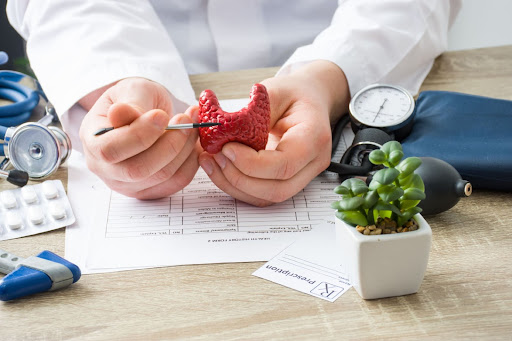
Before delving into the specifics of radioactive iodine therapy, it’s essential to understand what benign thyroid nodules are. Thyroid nodules are lumps or growths that form within the thyroid gland, which is located at the base of the neck and responsible for producing hormones that regulate metabolism.
Benign thyroid nodules are typically non-cancerous, but they can still cause problems depending on their size, location, and whether they affect thyroid function. Most benign nodules do not cause symptoms, but some can grow large enough to cause discomfort, difficulty swallowing, or pressure on surrounding structures. In some cases, benign thyroid nodules may produce excessive thyroid hormones, leading to hyperthyroidism (a condition where the thyroid becomes overactive).
Radioactive Iodine Therapy: What Is It?
Radioactive iodine (RAI) therapy is a treatment that involves the use of radioactive iodine to target thyroid cells. It is primarily used to treat hyperthyroidism, a condition where the thyroid gland produces too much thyroid hormone. RAI is also a common treatment for certain types of thyroid cancer, as it selectively destroys thyroid tissue, including cancerous cells, by emitting radiation.
RAI works because thyroid cells, both normal and cancerous, absorb iodine. When radioactive iodine is introduced into the body, it is taken up by thyroid cells, where it emits radiation that destroys or shrinks the tissue. This targeted therapy allows doctors to treat thyroid conditions without needing surgery.
The most common uses of RAI include:
- Hyperthyroidism: In patients with overactive thyroid (often due to Graves’ disease or toxic multinodular goiter), RAI helps to destroy the overactive thyroid tissue and normalize hormone production.
- Thyroid Cancer: After surgery to remove thyroid cancer, RAI is used to eliminate any remaining thyroid cells, including microscopic cancer cells that may have been left behind. RAI is effective in treating both differentiated and some medullary thyroid cancers.
Can Radioactive Iodine Therapy Be Used for Benign Thyroid Nodules?
While RAI therapy is an established treatment for hyperthyroidism and thyroid cancer, its use in treating benign thyroid nodules is more controversial. Generally, RAI is not a first-line treatment for benign thyroid nodules. However, in certain cases, it may be considered as an option, particularly for nodules that are causing hyperthyroidism or significant symptoms.
1. RAI for Symptomatic Benign Thyroid Nodules
In some cases, benign thyroid nodules can become large enough or produce enough thyroid hormone to cause symptoms. These symptoms may include:

- Swelling or visible lumps in the neck
- Difficulty swallowing or breathing
- Hoarseness or voice changes
- Excessive thyroid hormone production (leading to hyperthyroidism)
When thyroid nodules cause hyperthyroidism or significant discomfort, RAI can be considered as a treatment. This approach is most commonly used in cases of toxic adenomas, a type of benign thyroid nodule that produces excess thyroid hormone. Toxic adenomas can lead to hyperthyroidism and are one of the few benign thyroid conditions where RAI might be useful.
RAI therapy in such cases works by selectively targeting the thyroid tissue producing excess hormones. The radioactive iodine is absorbed by the nodule, which is then destroyed or shrunk, helping to normalize thyroid function and alleviate symptoms.
2. RAI for Large Benign Nodules
In some cases, benign thyroid nodules can grow large enough to cause pressure on surrounding structures, such as the trachea or esophagus. This can result in difficulty swallowing, breathing, or discomfort in the neck area. While surgery is often the preferred treatment for large benign nodules, RAI may be considered for patients who are unable or unwilling to undergo surgery.
RAI can shrink the size of benign thyroid nodules over time, reducing pressure on nearby structures and alleviating symptoms. However, it is important to note that RAI is generally not as effective as surgery in completely removing large nodules, and there is no guarantee that the nodule will shrink sufficiently to relieve symptoms.
3. The Potential Risks of RAI for Benign Nodules
Although RAI therapy can be effective in certain cases of benign thyroid nodules, it is not without risks and limitations. Some of the potential risks of using RAI for benign thyroid nodules include:
- Hypothyroidism: One of the most common side effects of RAI therapy is hypothyroidism (an underactive thyroid), which occurs when too much thyroid tissue is destroyed. Hypothyroidism requires lifelong hormone replacement therapy, which involves taking synthetic thyroid hormone to maintain normal thyroid function.
- Radioactive Exposure: Although RAI is targeted at the thyroid, it is still a form of radiation therapy. There is a small risk that the radiation could affect other tissues in the body, although this risk is generally low.
- Nodule Recurrence: In some cases, the thyroid nodule may not shrink enough to resolve the symptoms or prevent recurrence. While RAI can shrink the nodule, it does not guarantee complete resolution, and surgery may still be required.
- Unpredictable Outcomes: RAI’s effectiveness in treating benign thyroid nodules can be unpredictable. Some nodules may respond well to the treatment, while others may not shrink sufficiently. This uncertainty makes RAI a less reliable option compared to surgical removal for some patients.
4. Alternative Treatment Options
For most benign thyroid nodules, there are alternative treatment options that may be more appropriate than radioactive iodine therapy. These options include:
- Thyroid Surgery: Surgery is the most definitive treatment for benign thyroid nodules, especially for those that are large or causing significant symptoms. Surgical removal of the nodule (or the entire thyroid, in the case of more extensive involvement) offers the best chance for symptom relief and the potential to prevent recurrence.
- Observation: In many cases, benign thyroid nodules do not require treatment and can be monitored over time. Regular ultrasounds and blood tests can help track the size and activity of the nodule, ensuring that any changes are detected early.
- Ethanol Ablation: This technique involves injecting ethanol (alcohol) directly into the nodule to shrink it. It is most commonly used for cystic thyroid nodules or those that are symptomatic. Ethanol ablation is a minimally invasive procedure that may offer a less invasive alternative to surgery.
- Laser or Radiofrequency Ablation: These methods involve using heat to shrink or destroy thyroid nodules. They are considered less invasive than surgery and can be effective for certain benign nodules, particularly those causing pressure or discomfort.
Radioactive iodine therapy is a well-established treatment for conditions like hyperthyroidism and thyroid cancer, but its use for benign thyroid nodules is more limited. While RAI can be effective for treating toxic adenomas or nodules causing hyperthyroidism or significant symptoms, it is generally not a first-line treatment for most benign nodules. The potential risks, including the development of hypothyroidism and unpredictable outcomes, make it a less favorable option compared to surgery and other less invasive treatments.
If you have a benign thyroid nodule, it’s essential to work closely with your healthcare provider to determine the most appropriate treatment plan based on the size, symptoms, and potential risks associated with the nodule. For most patients, a combination of observation, medication, or surgery may offer better long-term outcomes than radioactive iodine therapy.
Ultimately, the decision to use RAI for benign thyroid nodules should be made on a case-by-case basis, considering the individual’s medical history, the nature of the nodule, and their personal preferences.