Understanding the Parathyroid Glands and the Role They Play
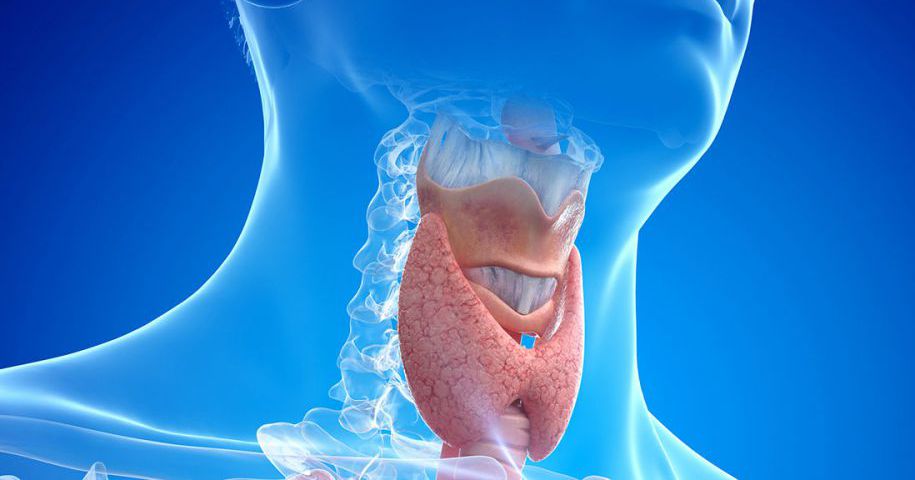
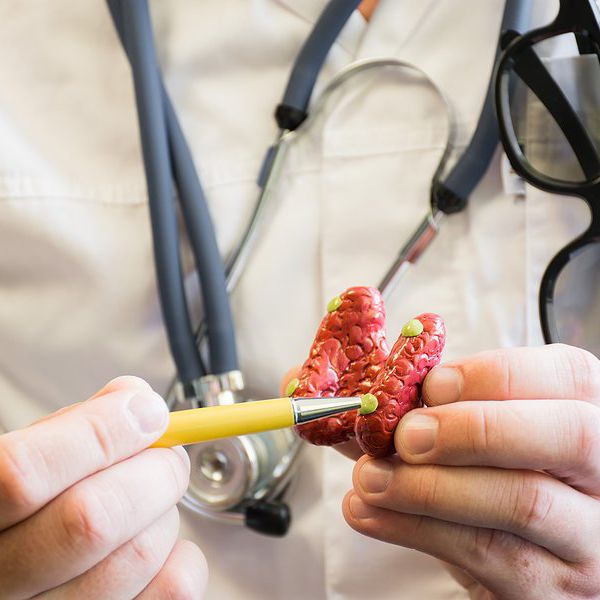
The parathyroid glands are small, oval-shaped glands located behind the thyroid gland in the neck. There are typically four parathyroid glands, and their main function is to regulate calcium levels in the body through the production of parathyroid hormone (PTH). PTH helps control the amount of calcium in the blood by promoting calcium release from bones, increasing calcium absorption in the intestines, and reducing calcium excretion through the kidneys.
In conditions such as hyperparathyroidism, one or more of the parathyroid glands become overactive and produce too much PTH, which leads to elevated calcium levels (hypercalcemia). Symptoms of hypercalcemia can include fatigue, bone pain, kidney stones, and gastrointestinal issues. In such cases, surgery to remove the overactive gland(s) is often necessary to restore normal calcium levels and alleviate these symptoms.
Numbness and Tingling After Parathyroid Surgery
While parathyroid surgery is generally safe and effective, it is not without its risks and potential complications. Numbness, tingling, or a sensation of “pins and needles” in the hands, face, or around the mouth is one of the most commonly reported symptoms following the procedure. This can be unsettling for patients, who may wonder if these sensations are temporary or if they could become permanent.
Causes of Numbness and Tingling After Parathyroid Surgery
The numbness and tingling sensation that some patients experience after parathyroid surgery can have several causes. It is important to understand that these symptoms are typically temporary and are related to the disruption of normal physiological processes during the surgery.
1. Hypocalcemia (Low Calcium Levels)
One of the most common reasons for numbness or tingling after parathyroid surgery is hypocalcemia, or low blood calcium levels. When the parathyroid glands are removed or altered, the body may temporarily experience a drop in calcium levels. The parathyroid glands regulate calcium in the blood, so when they are disrupted, it can lead to an imbalance.
Calcium is essential for nerve function, muscle contraction, and overall cellular activity. When calcium levels fall too low, it can cause symptoms such as numbness, tingling, and muscle spasms. The face, lips, hands, and fingers are often the most affected areas, and patients may experience a sensation of “pins and needles” or a feeling of numbness in these regions.
2. Damage to the Parathyroid Glands or Nerves
Another potential cause of numbness after parathyroid surgery is accidental damage to the nerves surrounding the parathyroid glands. There are several important structures in the neck that are in close proximity to the parathyroid glands, including the recurrent laryngeal nerve, which controls the muscles of the vocal cords, and the external branch of the superior laryngeal nerve, which helps with voice control. In some cases, the nerves may be injured during the surgery, leading to numbness or tingling sensations in the hands, face, or mouth.
While nerve damage is relatively rare, it can occur during surgery, especially if the procedure is complex or if the glands are difficult to access. Nerve injury can lead to symptoms like hoarseness, swallowing difficulties, or numbness in the face or neck. However, most nerve injuries are temporary and resolve with time.
3. Post-Surgical Inflammation and Swelling
Swelling and inflammation after surgery are common and can put pressure on the surrounding tissues and nerves. This pressure can cause temporary numbness or tingling sensations, particularly around the face, neck, or hands. The inflammation usually subsides after a few days or weeks, and the sensation returns to normal.
4. Vitamin D Deficiency
Vitamin D plays an essential role in calcium absorption and overall bone health. If a patient has a vitamin D deficiency before surgery, it may exacerbate the symptoms of hypocalcemia after the procedure. Inadequate vitamin D levels can impair calcium absorption in the intestines, leading to more pronounced symptoms of low calcium, such as numbness and tingling.
Will Numbness and Tingling Be Permanent?
In most cases, numbness and tingling sensations after parathyroid surgery are temporary and resolve as calcium levels stabilize and the body adjusts to changes in the parathyroid function. However, the duration of these symptoms can vary from patient to patient.
1. Hypocalcemia Recovery
If the numbness or tingling is caused by hypocalcemia, the symptoms typically improve as the calcium levels in the blood are corrected. Doctors will often prescribe calcium supplements and vitamin D to help restore normal calcium levels and prevent long-term symptoms. In most cases, calcium levels return to normal within a few days to weeks, and the numbness and tingling will resolve.
For some patients, the numbness may be more persistent, especially if there are other underlying issues affecting calcium metabolism. However, with proper treatment, most individuals will see improvement.
2. Nerve Injury Recovery
If the numbness is related to nerve injury, the prognosis depends on the extent of the damage. Most nerve injuries that occur during parathyroid surgery are mild and temporary. The nerves typically heal on their own over time, with symptoms gradually improving. In many cases, the numbness or tingling will subside within weeks to months as the nerves regenerate.
However, in rare cases, nerve damage can be more severe and may result in long-term or permanent symptoms. This is why it is important for patients to have a discussion with their surgeon about the potential risks of nerve damage and to follow up with their healthcare provider if symptoms persist.
3. Post-Surgical Inflammation
If inflammation and swelling are the cause of the numbness, these symptoms are usually short-lived. Once the inflammation subsides, the sensation should return to normal. Applying cold compresses, staying hydrated, and following the doctor’s post-operative care instructions can help reduce swelling and promote faster recovery.
Managing Numbness and Tingling After Surgery
If you experience numbness or tingling after parathyroid surgery, here are some ways to manage the symptoms:
- Calcium and Vitamin D Supplements: Your doctor may prescribe calcium and vitamin D supplements to help restore normal calcium levels in the blood and alleviate symptoms of hypocalcemia.
- Hydration: Staying well-hydrated is essential to promote recovery and help maintain normal nerve function.
- Follow-Up Appointments: Regular follow-up appointments with your surgeon or endocrinologist are important to monitor calcium levels and ensure they are stabilizing.
- Pain Relief: If the numbness is accompanied by discomfort or pain, over-the-counter pain relievers, such as acetaminophen or ibuprofen, can help alleviate symptoms.
While numbness and tingling in the hands, face, or mouth after parathyroid surgery can be alarming, these symptoms are typically temporary and resolve with time as calcium levels stabilize and the body recovers from surgery. Most cases of post-surgical numbness are due to hypocalcemia, nerve irritation, or mild nerve injury, all of which tend to improve with appropriate treatment.
However, in rare cases, more severe or permanent nerve damage may occur, leading to long-term symptoms. If you experience persistent or worsening numbness after surgery, it is important to consult with your healthcare provider for further evaluation and management.
By working closely with your healthcare team and following the prescribed treatment plan, most patients can expect a full recovery and the resolution of any numbness or tingling symptoms, ultimately returning to normal activities with improved calcium balance and better health.