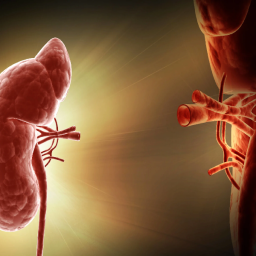
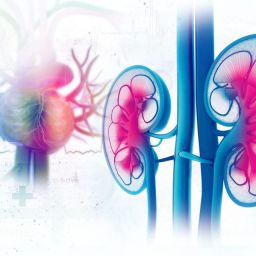
Understanding the Role of Immunosuppressive Medications in Kidney Transplantation
After a kidney transplant, the recipient must take immunosuppressive medications to prevent the body’s immune system from attacking the newly transplanted organ. These medications are essential to ensure the success of the transplant and to avoid rejection, which occurs when the immune system recognizes the transplant as foreign and attempts to destroy it.
While immunosuppressive drugs are life-saving, they also have side effects. By suppressing the immune system, these drugs reduce the body’s ability to identify and destroy abnormal cells, including cancer cells. As a result, transplant recipients are at a higher risk for developing various cancers compared to the general population.
How Immunosuppressive Drugs Contribute to Cancer Risk
Immunosuppressive drugs work by inhibiting the immune system’s ability to detect and respond to foreign invaders, such as pathogens, as well as abnormal growths like cancer cells. When the immune system is weakened, its surveillance function is compromised, allowing potential cancerous cells to grow unchecked. This increased vulnerability to cancer is one of the primary reasons why kidney transplant recipients are at higher risk for developing malignancies.
Different immunosuppressive medications have varying degrees of impact on the immune system, and the long-term use of these drugs increases the risk of malignancies, particularly in the first few years following the transplant. However, the risk decreases as the body adjusts to the transplanted kidney, and the dosage of immunosuppressive drugs is gradually reduced.
Types of Cancers Associated with Kidney Transplantation
Kidney transplant recipients are at increased risk for several types of cancers. These cancers can affect various organs, including the skin, lymphatic system, and other internal organs. The most common cancers observed in kidney transplant recipients are:
1. Skin Cancer (Non-Melanoma Skin Cancer)
Skin cancer is the most common type of cancer seen in kidney transplant recipients. It includes non-melanoma skin cancers such as basal cell carcinoma (BCC) and squamous cell carcinoma (SCC). The increased risk of skin cancer is directly related to the use of immunosuppressive drugs, which lower the immune system’s ability to repair DNA damage caused by UV radiation.
Transplant recipients are advised to protect their skin from excessive sun exposure by using sunscreen, wearing protective clothing, and seeking shade. Regular skin checkups and early detection of skin changes can help prevent skin cancer from becoming a serious issue.
2. Lymphoma and Leukemia
Lymphoma, particularly non-Hodgkin’s lymphoma (NHL), is another cancer that has been found to be more prevalent among kidney transplant recipients. Non-Hodgkin’s lymphoma is a type of cancer that affects the lymphatic system, which is responsible for filtering harmful substances from the body.
Leukemia, a cancer of the blood and bone marrow, is also more common in transplant recipients, especially those who have been on immunosuppressive therapy for extended periods. Both lymphoma and leukemia are associated with viral infections, such as Epstein-Barr virus (EBV), which is known to increase the risk of these cancers in transplant patients.
3. Kaposi Sarcoma
Kaposi sarcoma is a rare type of cancer that affects the skin, lymph nodes, and internal organs. It is caused by the human herpesvirus 8 (HHV-8). Kidney transplant recipients, especially those with prolonged immunosuppressive therapy, are at a higher risk of developing Kaposi sarcoma due to the virus’s ability to activate in a weakened immune system.
While Kaposi sarcoma is more common in organ transplant recipients, it is still relatively rare and can be treated effectively when detected early.
4. Cervical Cancer
Women who have undergone a kidney transplant are at a higher risk for cervical cancer, primarily due to the immunosuppressive medications they take. These drugs can impair the body’s ability to clear infections such as human papillomavirus (HPV), which is known to cause cervical cancer.
Routine gynecological exams and HPV vaccinations (if appropriate) are important preventive measures to reduce the risk of cervical cancer.
5. Other Cancers
In addition to the cancers mentioned above, kidney transplant recipients may also be at increased risk for cancers of the liver, lung, and other organs. These risks may be higher in individuals with a history of chronic viral infections, such as hepatitis B or C, or those who smoke or have a history of alcohol use.
Factors That Influence Cancer Risk After Kidney Transplantation
While immunosuppressive therapy is the primary contributor to increased cancer risk, other factors can also influence the likelihood of developing cancer after a kidney transplant. These include:
1. Duration of Immunosuppressive Therapy
The longer a patient is on immunosuppressive therapy, the higher their risk of developing cancer. Over time, the cumulative effect of immunosuppression weakens the immune system’s ability to combat abnormal cell growth. For this reason, doctors aim to balance the need for immunosuppressive drugs with the goal of minimizing their long-term side effects, including cancer risk.
2. Type of Immunosuppressive Drugs
Different immunosuppressive drugs have varying effects on cancer risk. For example, drugs such as cyclosporine and tacrolimus are more likely to increase the risk of certain cancers, particularly skin cancer, compared to other medications. Some newer immunosuppressive drugs may have fewer cancer-related side effects, and doctors may switch patients to these alternatives as needed.
3. Pre-existing Medical Conditions
Patients with a history of cancer or certain infections before undergoing kidney transplantation may have an increased risk of developing cancer after the transplant. Chronic viral infections like hepatitis B and C or Epstein-Barr virus (EBV) are known to increase the risk of certain types of cancer, such as liver cancer or lymphoma.
4. Age and Gender
Older patients, particularly those over the age of 50, may have a higher risk of developing cancer after kidney transplantation. Similarly, certain cancers may be more common in one gender, such as cervical cancer in women or prostate cancer in men. Age and gender are important factors in determining cancer risk after a transplant.
5. Lifestyle Factors
Lifestyle factors, such as smoking, alcohol consumption, and diet, can influence the development of cancer in kidney transplant recipients. Smoking is a well-known risk factor for several types of cancers, including lung cancer and bladder cancer. Maintaining a healthy lifestyle with regular exercise, a balanced diet, and avoiding smoking or excessive alcohol consumption can help reduce the overall cancer risk.
Preventive Measures and Cancer Screening for Kidney Transplant Recipients
Although kidney transplant recipients are at an increased risk for developing cancer, there are several preventive measures and strategies to detect cancer early and reduce the risk of developing serious complications.

1. Skin Protection and Regular Skin Exams
Since skin cancer is the most common type of cancer in kidney transplant recipients, it is essential to practice sun safety. This includes wearing sunscreen with a high SPF, wearing protective clothing, and avoiding excessive sun exposure, especially during peak hours.
Regular skin examinations by a healthcare provider can help detect early signs of skin cancer, such as unusual moles or growths. Patients should also perform self-examinations regularly to check for any skin changes.
2. Routine Cancer Screenings
Regular cancer screenings are crucial for detecting cancers early, when they are most treatable. For kidney transplant recipients, this may include:
- Lymphoma and Leukemia: Blood tests, including complete blood counts (CBC), can help detect signs of blood cancers.
- Cervical Cancer: Women should undergo routine Pap smears and HPV tests as part of their gynecological exams.
- Skin Cancer: Dermatological exams should be done regularly to detect any signs of skin cancer.
- Breast Cancer: Women should continue to undergo mammograms based on their age and family history.
- Prostate Cancer: Men should have prostate exams and consider PSA tests based on their age and risk factors.
3. Vaccinations
Vaccinations against certain viruses can help reduce the risk of cancer in transplant recipients. For example, the HPV vaccine can reduce the risk of cervical cancer in women. The hepatitis B vaccine can help protect against liver cancer, particularly in patients with a history of hepatitis infection.
4. Healthy Lifestyle Choices
Maintaining a healthy lifestyle with a balanced diet, regular physical activity, and no smoking can significantly reduce the risk of developing cancer. Eating a diet rich in fruits, vegetables, and whole grains, while avoiding excessive alcohol consumption, can help lower the overall cancer risk.
While kidney transplantation is a life-saving procedure, it comes with the risk of developing various cancers due to the immunosuppressive medications required to prevent organ rejection. However, understanding these risks and taking proactive measures can help kidney transplant recipients minimize their cancer risk and detect cancers early, when they are most treatable.
By following the recommended preventive strategies, including regular cancer screenings, practicing sun safety, maintaining a healthy lifestyle, and managing immunosuppressive medication carefully, transplant recipients can improve their long-term health and reduce the potential for cancer-related complications. Always consult with healthcare providers to ensure that the appropriate preventive steps are taken based on individual risk factors and medical history.